


Car accidents can have serious consequences, including permanent injuries, loss of life, and financial burdens. Understanding the leading causes of car accidents is crucial for prevention and maintaining road safety awareness. In the United States, some of the top contributors to car accidents include distracted driving, speeding, and driving under the influence of alcohol or drugs.
Distracted driving, such as texting, using a GPS, or eating while behind the wheel, can significantly impair a driver’s reaction time and situational awareness, putting everyone on the road at risk. Speeding not only increases the severity of accidents but also reduces the time a driver has to react to unexpected events. Driving under the influence of alcohol or drugs, whether legal or illegal, can severely impair a person’s ability to operate a vehicle safely.
Other factors that often lead to car accidents include reckless driving behaviors like tailgating, aggressive lane changes, and ignoring traffic signals. Adverse weather conditions, such as rain, snow, ice, and fog, can also contribute to accidents by reducing visibility and traction. Proper vehicle maintenance, including regular checks and tire replacements, is essential for ensuring safe driving.
Key Takeaways
- Distracted driving is the top cause of car accidents in the U.S.
- Speeding is involved in approximately one-third of all motor vehicle fatalities
- Driving under the influence of alcohol or drugs significantly impairs driving abilities
- Adverse weather conditions, such as rain and ice, can contribute to accidents
- Proper vehicle maintenance is crucial for safe driving
By understanding these top causes of car accidents and taking proactive measures to avoid them, we can all contribute to making our roads safer for everyone.
Distracted Driving: A Growing Concern
Distracted driving has become a major concern for road safety in the United States. According to the National Highway Traffic Safety Administration (NHTSA), distracted driving claimed 3,308 lives in 2022. This alarming statistic highlights the urgent need to address this issue and prevent further accidents.
Texting and Driving
One of the most common and dangerous forms of distracted driving is texting. Texting while driving takes the driver’s eyes off the road for a staggering 5 seconds, which is equivalent to driving the length of a football field at 55 mph with eyes closed. This puts the driver, passengers, and other road users at a significantly heightened risk of being involved in a collision.
Eating While Driving
Another prevalent distraction is eating while driving. Fumbling with food and beverages can divert the driver’s attention from the road, leading to potentially catastrophic consequences. Educators and employers can play a crucial role in raising awareness about the dangers of distracted driving and encouraging a commitment to distraction-free driving.
Using a GPS
Even the use of a GPS can be a distraction if not properly managed. Adjusting the device or constantly glancing at it can take the driver’s eyes off the road, increasing the risk of an accident. The NHTSA leads national efforts against distracted driving by partnering with states and local police for law enforcement crackdowns and awareness campaigns, such as the “Put the Phone Away or Pay” initiative.
To prevent distracted driving accidents, it is crucial for all drivers to keep their eyes on the road, avoid any activities that may divert their attention, and follow the laws and regulations in their respective states. Together, we can make our roads safer and reduce the number of lives lost due to distracted driving.
Speeding: The Risks Involved
Driving at excessive speeds is a major contributor to car accidents and traffic fatalities. In 2022, speeding was responsible for killing 12,151 people, representing 29% of all crash fatalities. Speeding not only increases the likelihood of an accident but also significantly worsens the severity of the impact, leading to more devastating consequences.
Reaction Time
When we drive at higher speeds, our reaction time becomes significantly slower. This means that we have less time to respond to unexpected situations, such as a pedestrian crossing the road or a sudden obstacle in our path. This reduced reaction time can be the difference between a near-miss and a tragic collision.
Increased Severity of Accidents
The severity of an accident is directly proportional to the speed at which the vehicles are traveling. At higher speeds, the kinetic energy involved in a collision is much greater, resulting in more extensive damage to vehicles and a higher risk of serious injuries or fatalities. In fact, speeding plays a role in approximately one-third of all motor vehicle fatalities for over 20 years.
To prevent speed-related accidents and ensure our safety on the roads, it is crucial that we always adhere to posted speed limits and adjust our speed according to the road and weather conditions. By being mindful of our speed and prioritizing traffic safety, we can help reduce the risks associated with speeding and make our roads safer for everyone.
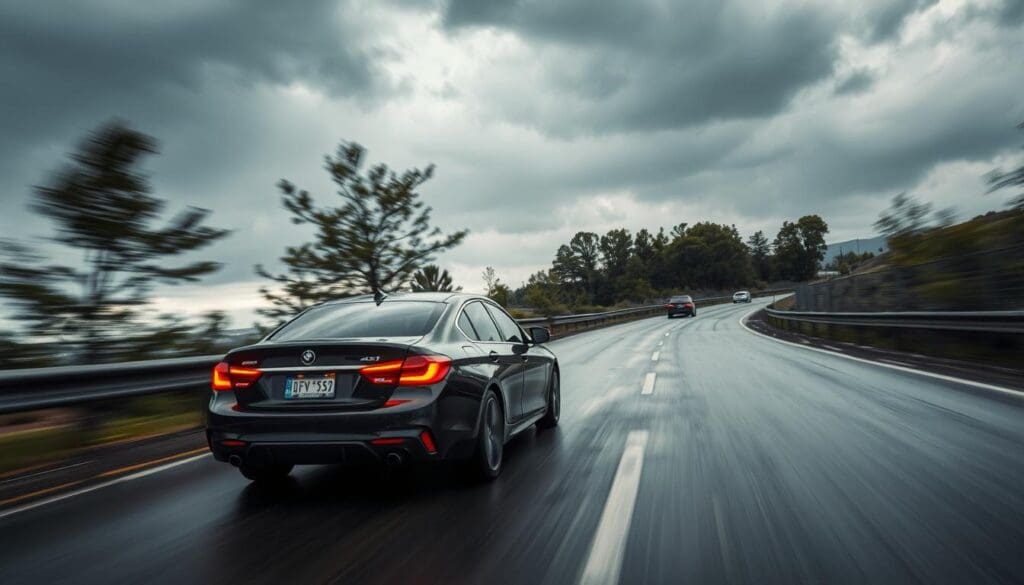
Driving Under the Influence: A Serious Offense
Driving under the influence of alcohol or drugs is a serious offense that causes numerous accidents each year. According to the National Highway Traffic Safety Administration (NHTSA), drunk drivers accounted for approximately 32% of all traffic fatalities in the United States in 2022. This includes impairment from alcohol, illegal drugs, and prescription medications.
Alcohol Consumption
In 2022, there were 2,337 people killed in alcohol-related crashes where a driver had a BAC (blood alcohol concentration) of .01 to .07 g/dL. Additionally, about 32% of all traffic crash fatalities involved drunk drivers with BACs of .08 g/dL or higher, resulting in 13,524 people killed. On average over the 10-year period from 2013-2022, about 11,000 people died every year in drunk-driving crashes.
Drug Impairment
Driving under the influence of illegal drugs or prescription medications that can impair judgment and reaction time is also a major contributor to accidents. In 2022, 30% of young drivers aged 15 to 20 who were killed in crashes had BACs of .01 g/dL or higher. The 21-to 24-year-old age group had the highest percentage of drunk drivers (with BACs of .08 g/dL or higher) in 2022.
Prescription Medications
Many prescription medications, such as opioids, benzodiazepines, and antidepressants, can also cause drowsiness, dizziness, and impaired coordination, increasing the risk of a DUI prevention and impaired driving accident. It’s crucial to always check the side effects of any medications and avoid driving if they may affect your ability to operate a vehicle safely.
To prevent DUI prevention and impaired driving accidents, always designate a sober driver or use alternative transportation when consuming alcohol or taking medications that may impair your driving ability. Road safety should be the top priority for all drivers.
Weather Conditions: Staying Safe
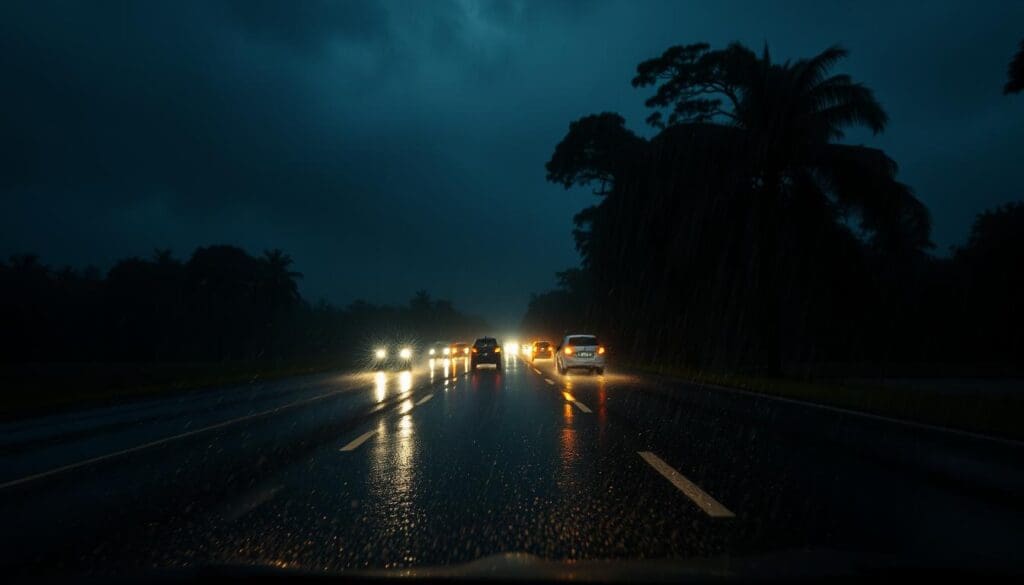
Adverse weather conditions like rain, snow, ice, and fog can significantly increase the risk of car accidents. These challenging conditions reduce visibility and make roads slippery, affecting vehicle control and increasing the chances of a collision. To stay safe on the road when the weather takes a turn, we need to adjust our driving habits and be extra vigilant.
Rain and Wet Roads
Rain is a leading factor in weather-related crashes, accounting for over 46% of such incidents. Wet pavement can be especially treacherous, as it reduces traction and increases the likelihood of hydroplaning. When driving in the rain, it’s crucial to reduce your speed, increase following distance, and use your headlights to improve visibility. Be cautious when braking, as sudden stops can cause you to lose control of your vehicle.
Snow and Ice
Snow and icy roads pose their own set of challenges for drivers. Together, they contribute to 31% of weather-related crashes annually. In these conditions, it’s essential to drive slowly, avoid sudden maneuvers, and ensure your tires have adequate tread depth. Keep a safe distance from other vehicles, and be prepared to gently apply your brakes to maintain control.
Fog and Low Visibility
Fog and low visibility can be particularly treacherous, reducing the distance at which you can see and react to hazards. When driving in these conditions, turn on your low-beam headlights and slow down to a safe speed. Avoid using high beams, as they can actually impair visibility by reflecting off the fog. If the visibility becomes too poor, consider pulling off the road and waiting for conditions to improve.
Remember, the key to staying safe in adverse weather conditions is to adjust your driving behaviors. Reduce your speed, increase following distance, and use appropriate safety features. If the weather becomes too severe, it’s best to find a safe place to wait it out rather than risking an accident.
Reckless Driving: What It Means
Reckless driving is a serious issue that poses significant risks on our roads. This type of driving behavior shows a blatant disregard for traffic laws and the safety of others. Aggressive driving, traffic violations, and a lack of concern for road safety can all contribute to reckless driving incidents.
Tailgating
One common form of reckless driving is tailgating, or following too closely behind another vehicle. This not only reduces reaction time in the event of an emergency, but it can also provoke retaliation from the driver being tailgated, escalating the situation.
Aggressive Lane Changes
Weaving in and out of traffic, cutting others off, and making aggressive lane changes are other hallmarks of reckless driving. These maneuvers put everyone on the road at risk and are often fueled by impatience or a disregard for the rules of the road.
Ignoring Traffic Signals
Reckless drivers may also choose to disregard traffic signals, such as running red lights or stop signs. This blatant violation of traffic laws can lead to catastrophic collisions, especially at intersections where vehicles and pedestrians are crossing.
To promote road safety, it’s crucial that we all commit to responsible driving behaviors. This means maintaining a safe following distance, using turn signals when changing lanes, and always obeying traffic signals. By working together to prevent aggressive driving, traffic violations, and other road safety issues, we can make our roads safer for everyone.
Vehicle Maintenance: Importance for Safety
Maintaining your vehicle in top condition is crucial for preventing accidents caused by mechanical failures. Regular checks and timely repairs can help identify potential issues before they lead to dangerous situations on the road. Let’s explore the key aspects of vehicle maintenance that contribute to overall safety.
Regular Maintenance Checks
Conducting routine maintenance checks on your car can go a long way in ensuring its safe operation. This includes regularly scheduled oil changes, fluid top-ups, and inspections of critical components like the engine, transmission, and electrical system. By staying on top of these maintenance tasks, we can catch small problems before they escalate into major issues that could compromise our safety on the road.
Tire Condition and Replacement
The condition of your tires is paramount for vehicle safety. Neglecting tire maintenance, such as failing to monitor tire pressure or replace worn-out tires, can lead to dangerous situations like blowouts or loss of control. Regular tire inspections and timely replacements are essential to prevent accidents caused by tire-related failures.
Brake Functionality
Properly functioning brakes are a must for safe driving. Without well-maintained brakes, our ability to stop the vehicle in time to avoid collisions is severely compromised. Regularly checking brake pads, rotors, and fluid levels, and addressing any issues promptly, can help ensure our brakes are in optimal condition and ready to respond when needed.
By staying on top of car maintenance, we can significantly reduce the risk of vehicle safety issues that could lead to accident prevention. Investing in the long-term health of our vehicles is not only a responsible choice but also a crucial step in keeping ourselves and others safe on the road.
How Curro’s Paint and Body Can Help You
At Curro’s Paint and Body, we understand that being involved in a car accident can be a stressful and overwhelming experience. That’s why we’re here to provide you with the professional collision repair services you need to get your vehicle back on the road safely.
Our team of experienced technicians is equipped to handle all types of collision damage, from minor scratches and dents to more extensive structural repairs. We use the latest tools and techniques to ensure that your vehicle is restored to its pre-accident condition, with a focus on quality and attention to detail.
Collision Repair Services
Whether you’ve been in a fender bender or a more serious collision, our collision repair services are designed to get your car back to peak performance. We’ll work closely with you to assess the extent of the damage and develop a comprehensive repair plan that addresses all of your needs.
Professional Paint Restoration
In addition to our collision repair services, we also offer professional paint restoration services to help your vehicle look its best. Our skilled technicians can repair scratches, dents, and other paint-related issues, ensuring a flawless finish that will have your car looking like new.
FAQ
What are the top causes of car accidents in the U.S.?
The leading causes of car accidents in the U.S. include distracted driving, speeding, drunk driving, adverse weather conditions, and reckless driving behaviors such as tailgating, aggressive lane changes, and ignoring traffic signals.
How can distracted driving be prevented?
To prevent distracted driving accidents, it’s crucial to keep your eyes on the road and avoid any activities that may divert your attention, such as texting, eating, or using a GPS while driving. Even a second of distraction can lead to a serious collision.
What are the risks associated with speeding?
Speeding reduces reaction time and increases the severity of accidents. Driving at high speeds makes it more difficult to maintain control of the vehicle and increases the distance required to stop safely. To prevent speed-related accidents, always adhere to posted speed limits and adjust your speed according to road and weather conditions.
How can driving under the influence be prevented?
To prevent DUI accidents, always designate a sober driver or use alternative transportation when consuming alcohol or taking medications that may impair driving ability. Driving under the influence of alcohol, illegal drugs, or prescription medications is a serious offense that causes numerous accidents each year.
How can drivers stay safe in adverse weather conditions?
In challenging weather, reduce speed, increase following distance, and use appropriate safety features like headlights and windshield wipers. If conditions become too severe, it’s best to pull over and wait for improvement rather than risking an accident.
What constitutes reckless driving, and how can it be prevented?
Reckless driving encompasses various dangerous behaviors such as tailgating, aggressive lane changes, and ignoring traffic signals. To prevent reckless driving accidents, maintain a safe following distance, use turn signals when changing lanes, and always obey traffic signals. Avoid engaging with aggressive drivers.
Why is proper vehicle maintenance important for safety?
Regular maintenance checks can identify potential issues before they lead to accidents. Pay special attention to tire condition and replacement, as well as brake functionality. By keeping your vehicle in good condition, you reduce the risk of accidents caused by mechanical failures.
How can Curro’s Paint and Body help after an accident?
Curro’s Paint and Body offers professional collision repair services to restore your vehicle to its pre-accident condition. Our experienced technicians provide high-quality repairs for all types of collision damage and professional paint restoration services to repair scratches, dents, and other paint-related issues.

