


Collision repair scams are a significant contributor to insurance fraud in the United States. These scams range from airbag fraud to inflated damage estimates, costing consumers and insurers billions of dollars each year. To protect ourselves, it’s crucial to understand common scams, research repair shops, ask the right questions, and trust our instincts. This guide will provide essential tips for avoiding repair scams and finding trustworthy collision repair services.
Key Takeaways
- Collision repair scams are a widespread issue, with various types of fraud, including airbag fraud and chop shops.
- Unscrupulous repair shops may use tactics like burying deductibles, exaggerating damage, or offering bribes to get business.
- Researching reviews, selecting certified technicians, and asking the right questions can help consumers avoid scams.
- Trusting your instincts and getting multiple estimates can also protect you from dishonest repair shops.
- Understanding your rights with insurance companies and properly documenting vehicle damage are also important steps.
Understanding Collision Repair Scams
When it comes to getting your vehicle repaired after a collision, it’s crucial to be aware of the potential for collision repair scams. These dishonest practices by unscrupulous auto body shops can not only cost you more money but also jeopardize the safety and integrity of your car. Let’s explore the common types of collision repair scams to watch out for.
Definition of a Collision Repair Scam
A collision repair scam involves fraudulent or deceptive actions by repair shops to overcharge customers and insurance companies. These scams can take many forms, such as fake repairs, using inferior or counterfeit parts, and inflating damage estimates to increase the payout.
Common Red Flags to Look For
- Unsolicited repair offers, especially from “bandit” tow trucks or repair shops
- Pressure to use a specific auto body shop, often with promises of getting your car back quickly
- Estimates that seem unusually low or too good to be true, a common tactic used by dishonest auto body shops
- Lack of transparency in the repair process, with limited communication or unwillingness to provide detailed information
Unfortunately, collision repair fraud is more common than you might think, with nearly 1 in 5 consumers feeling uncertain about distinguishing legitimate repairs from unnecessary ones. By being vigilant and knowing what to look for, you can protect yourself from falling victim to these scams.
Researching Repair Shops
When it comes to collision repair, it’s crucial to choose a reputable and trustworthy shop that employs ASE-certified technicians. These certified professionals possess the knowledge and expertise to handle your vehicle’s repair needs effectively. Start your search by looking for collision repair shops that are clean, organized, and equipped with the latest tools and equipment.
Importance of Reviews and Ratings
Reading online reviews and checking the shop’s ratings can provide valuable insights into the quality of their services. Look for feedback from previous customers to understand the shop’s customer service, attention to detail, and overall reputation. You can also ask for recommendations from friends, family, or your insurance provider to identify reputable collision repair shops in your area.
Selecting Certified Repair Professionals
In addition to ASE certification, it’s essential to ensure that the collision repair shop is registered with the State Department of Agriculture and Consumer Services. Check for any complaints filed against the shop with the Attorney General’s Office or the Better Business Bureau. This due diligence will help you make an informed decision and choose a reputable collision repair shop that you can trust with your vehicle’s repairs.
Remember, taking the time to research and select a ASE-certified collision repair facility can make all the difference in the quality of the work and your overall satisfaction with the repair process.
Questions to Ask Before Committing
Before entrusting your vehicle to a collision repair shop, it’s important to ask the right questions. This will help ensure you receive quality workmanship and avoid potential scams. Let’s explore some key inquiries to make before committing to a repair.
Inquiring About Estimates
Rather than just requesting a cost estimate, ask the shop for a detailed written damage report. This comprehensive document will provide a thorough breakdown of the necessary repairs, the parts required, and the labor involved. This level of transparency is crucial in understanding the scope of the work and avoiding any hidden fees or surprises down the line.
Checking Warranties on Repairs
- Inquire about the warranties offered on the collision repair parts and paint work. Ensure that the shop honors any existing warranty on your vehicle.
- Ask if the prices quoted are for new, used, or rebuilt parts. Knowing the part quality can help you make an informed decision.
- Verify that the shop has experience working on your specific make and model of vehicle. This expertise can ensure a proper and lasting repair.
By taking the time to ask the right questions, you can make an informed decision and have peace of mind knowing your vehicle is in capable hands for the repair warranties and written damage reports.
The Importance of Getting Multiple Estimates
When it comes to collision repair, obtaining and comparing multiple estimates can be a game-changer in avoiding scams. Requesting detailed, itemized estimates from several reputable shops allows you to make an informed decision and ensure you’re getting a fair repair cost comparison.
Each estimate should provide a clear breakdown of the necessary repairs, including the specific parts and labor required. Be cautious of estimates that seem unusually low, as this could indicate the use of subpar parts or incomplete work. Conversely, be wary of estimates that seem excessively high, as they may reflect unnecessary “over-maintenance” beyond the manufacturer’s recommendations.
How to Compare Quotes Effectively
When reviewing the estimates, look for consistency in the identified issues and the proposed solutions. Compare the cost of parts, labor rates, and the overall projected total. This will help you identify any discrepancies and ensure you’re getting the best value for your money.
- Carefully examine the details of each estimate, including the condition to be repaired, parts needed, and anticipated labor charges.
- Look for any unnecessary repairs or “over-maintenance” that go beyond the manufacturer’s recommendations.
- Compare the total costs and labor rates across the estimates to find the most reasonable and comprehensive option.
What to Watch for in Estimates
While reviewing the estimates, be on the lookout for any red flags that could indicate a potential scam. Unusually low or high prices, vague descriptions, or a lack of transparency in the itemization should raise your suspicions.
- Beware of estimates that seem too good to be true, as they may involve the use of subpar parts or incomplete repairs.
- Look for detailed, itemized estimates that provide a clear breakdown of the necessary repairs and associated costs.
- Trust your instincts if an estimate seems overly complex or includes unnecessary repairs or services.
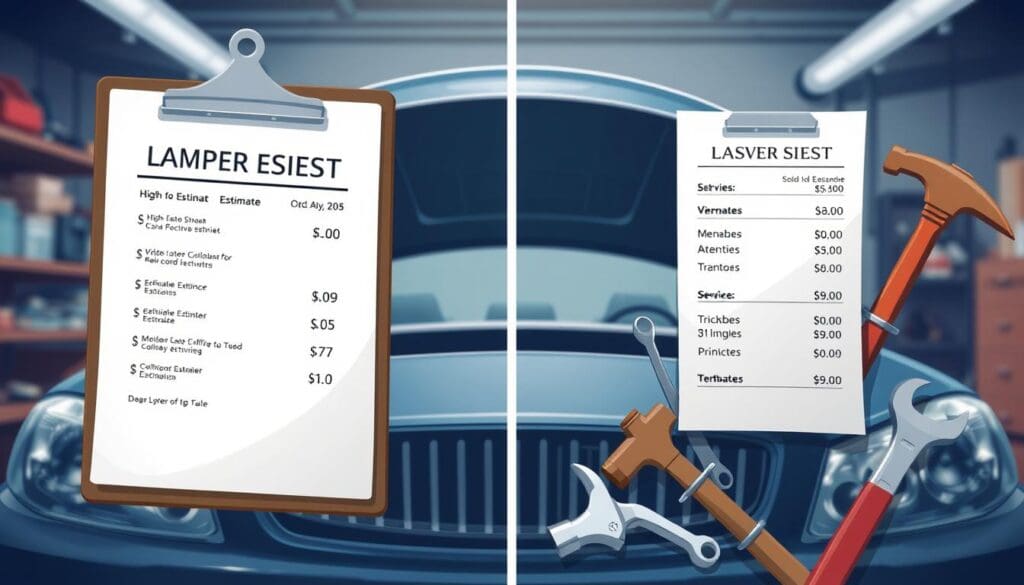
By obtaining and carefully comparing multiple repair cost comparison estimates, you can make an informed decision and avoid falling victim to collision repair scams. Remember, a little diligence can go a long way in protecting your investment and ensuring a successful repair experience.
Trusting Your Instincts
When it comes to collision repair, it’s crucial to trust your instincts. If something feels off about a repair shop or an estimate, it’s important to pay attention to those gut feelings. Be wary of high-pressure sales tactics or attempts to add unnecessary services that may not be in your best interest.
Recognizing When Something Feels Off
Scammers often use a range of tactics to take advantage of unsuspecting consumers. According to a study conducted by researchers, older adults with higher interoceptive accuracy (the ability to detect bodily signals) were more accurate in detecting scams and lying compared to younger individuals. This suggests that paying attention to your intuition can be a valuable tool in protecting yourself from collision repair scams.
The Value of Transparency in Communication
When working with a repair shop, transparency in communication is essential. If you feel uncomfortable or unsure about any aspect of the repair process, don’t hesitate to ask questions. A reputable repair shop should be willing to provide clear explanations and address your concerns openly and honestly. If you’re not satisfied with the level of communication, it may be time to seek a second opinion or consult with your insurance company.
Remember, your safety and the integrity of your vehicle’s repairs are of the utmost importance. By trusting your instincts and insisting on transparency, you can navigate the collision repair process with confidence and avoid becoming a victim of repair shop communication or consumer awareness issues.
Insurance Company Recommendations
When navigating the insurance claim process after a collision, it’s crucial to understand your rights and work closely with your insurance company. Under laws like the Florida Motor Vehicle Repair Act, you have the right to choose your own repair shop, even if your insurance provider recommends one. This ensures you receive quality repairs and maintain control over the repair coverage.
Understanding Your Rights with Insurance
As an insurance policyholder, you have certain rights that protect you from potential scams or unfair practices. Be aware of your deductible and how it affects the overall repair costs. Additionally, stay informed about your state’s specific laws regarding insurance claims and the repair process.
How to Work with Your Insurance Company
- Communicate openly and frequently with your insurance company throughout the repair process.
- Report any suspicious activities or attempts to steer you towards a specific repair shop.
- Provide thorough documentation, including photos and receipts, to support your insurance claim.
- Seek assistance from your insurance company’s claims department if you encounter any issues or discrepancies.
By understanding your rights and working closely with your insurance provider, you can navigate the insurance claim process with confidence and ensure that your vehicle is repaired properly, without falling victim to any collision repair scams.

Tips for Documenting Vehicle Damage
When dealing with vehicle damage and the subsequent repair process, documentation is crucial. Thorough documentation can protect you from collision repair scams and ensure a smooth resolution with your insurance provider. Here are some valuable tips to help you document your vehicle’s damage effectively.
Taking Photos for Your Records
The first step in documenting your vehicle’s damage is to take detailed photos. Capture images from multiple angles, ensuring you cover the full extent of the damage. This visual record can serve as important evidence if disputes arise during the repair process. Be sure to take close-up shots of specific areas of concern and maintain the date and time stamps on your photos.
Keeping a Log of All Correspondence
In addition to visual documentation, it’s essential to maintain a comprehensive log of all your interactions and correspondence related to the vehicle damage and repair process. This includes phone calls, emails, and in-person meetings with the repair shop and your insurance provider. Record the date, time, and details of each interaction, as well as the names and contact information of the individuals you spoke with.
Obtaining copies of all repair invoices, estimates, and warranties is also crucial. This documentation can help you compare quotes, understand the work being performed, and ensure that the repairs are completed to your satisfaction. Keep these records organized and easily accessible in case you need to reference them later.
By following these tips and thoroughly documenting your vehicle’s damage, you’ll be better equipped to navigate the repair process, identify and avoid potential scams, and ensure that your vehicle is restored to its pre-accident condition.
Choosing Curro’s Paint and Body for Repairs
At Curro’s Paint and Body, we pride ourselves on being one of the most trusted repair centers in the area. Our commitment to quality collision repair services sets us apart from the competition. With a team of ASE-certified technicians and state-of-the-art equipment, we ensure that your vehicle is restored to its pre-accident condition with the utmost care and attention to detail.
Transparency is at the heart of our business model. We provide detailed damage reports, offer competitive pricing, and back our work with comprehensive warranties. Our customers can rest assured that they are receiving honest and reliable services from a team that truly cares about their needs and satisfaction.
When you choose Curro’s Paint and Body, you’re choosing a partner that will guide you through the entire repair process with clear communication and unwavering professionalism. We understand that dealing with the aftermath of a collision can be stressful, which is why we strive to make the experience as smooth and stress-free as possible. Trust Curro’s Paint and Body for quality collision repair services that put your safety and satisfaction first.
FAQ
What is a collision repair scam?
A collision repair scam involves dishonest practices by repair shops to defraud consumers and insurance companies. These scams range from airbag fraud to inflated damage estimates.
What are some common red flags to look for when choosing a repair shop?
Common red flags include unsolicited repair offers, pressure to use specific shops, and estimates that seem too good to be true. Nearly 1 in 5 consumers feel uncertain about distinguishing between legitimate and unnecessary repairs.
How can I research and select a trustworthy repair shop?
Look for ASE-certified body technicians, and choose a facility that is clean, orderly, and uses updated equipment. Read reviews, get recommendations, and verify the shop’s registration and standing with consumer protection agencies.
What questions should I ask the repair shop before committing to the work?
Ask about the shop’s experience with your type of vehicle, request a written damage report instead of a cost estimate, inquire about warranties on installed parts and paint work, and ensure the shop honors any existing warranty on your car.
Why is it important to get multiple estimates?
Obtaining and comparing itemized estimates from multiple shops can help you ensure the estimates include the condition to be repaired, parts needed, and anticipated labor charges. Be cautious of unusually low estimates that may indicate the use of subpar parts or incomplete repairs.
How can I trust my instincts when it comes to a repair shop or estimate?
Trust your instincts if something feels off about a repair shop or estimate. Be wary of high-pressure sales tactics or attempts to add unnecessary services. Value transparency in communication with the repair shop, and seek a second opinion if you feel uncomfortable or unsure.
What are my rights when it comes to insurance company recommendations?
You have the right to choose your repair shop, even if your insurance company recommends one. Understand your deductible and how it affects your repair costs. Communicate with your insurance company throughout the repair process and report any suspicious activities.
How can I properly document my vehicle’s damage?
Take clear photos of your vehicle’s damage from multiple angles, keep a detailed log of all correspondence with the repair shop and insurance company, and obtain copies of all repair invoices, estimates, and warranties. This documentation can be crucial if disputes arise or if you need to file a complaint later.

