


When it comes to minor car accidents, such as fender benders or parking lot scrapes, it’s crucial to take the right steps to protect your vehicle and your legal rights. Even seemingly minor damage can hide underlying issues that require professional attention. That’s why we’re here to guide you through the process of properly assessing and repairing your vehicle after a minor collision.
The first priority after any accident is to ensure the safety of everyone involved. Move your vehicle to a safe location, check for injuries, and call the authorities if needed. Once the immediate concerns are addressed, it’s time to document the incident by taking photographs and exchanging information with the other driver.
Reporting the accident to your insurance provider is also essential, as they can help you navigate the claims process and ensure your vehicle is repaired correctly. Don’t attempt to fix the damage yourself, as even small dents or scratches can indicate more serious structural or mechanical problems that require expert assessment.
Key Takeaways
- Prioritize safety and document the incident thoroughly after a minor collision
- Avoid DIY repairs and seek professional inspection to identify hidden issues
- Collaborate with your insurance provider to ensure a smooth claims process
- Prompt action and expert care are crucial for restoring your vehicle
- Regular maintenance and defensive driving can help prevent future collisions
Understanding Minor Collision Damage
When it comes to our vehicles, even minor collisions can leave behind unwanted scratches, dents, and other blemishes. These quick collision fixes, though seemingly insignificant, can have a significant impact on the overall appearance and value of our beloved cars. Understanding the nature and common types of small dents and scratch repair is crucial to addressing them promptly and effectively.
What Is Minor Collision Damage?
Minor collision damage refers to surface-level imperfections that may not necessarily compromise the structural integrity of a vehicle. This can include scratches, small dents, and minor paint chips or cracks. While these issues may not be immediately visible, they can worsen over time if left unattended.
Common Types of Minor Damage
- Bumper damage, such as small dents or scuffs
- Scratch repair for paint scratches and chips
- Minor dents on the body panels or doors
- Cracked or broken lights or mirrors
Why Prompt Repair Is Important
Addressing quick collision fixes promptly is crucial for several reasons. First, it helps prevent further deterioration of the affected areas, maintaining the overall appearance and value of the vehicle. Additionally, minor damage can sometimes indicate hidden issues, such as frame damage or undercarriage problems, that require professional attention. Ignoring these problems can compromise the vehicle’s safety and structural integrity over time.
Ultimately, understanding the nature and importance of repairing minor collision damage can empower car owners to take proactive steps in maintaining their vehicles and ensuring a safe and enjoyable driving experience.
Assessing the Damage
When dealing with minor collision damage, it’s crucial to thoroughly inspect your vehicle to identify the extent of the issues. At Miracle Body and Paint, we take a meticulous approach to assessing the damage, ensuring no hidden problems go unnoticed. Our experienced technicians will meticulously examine your vehicle, both inside and out, to provide you with a comprehensive report on the necessary repairs.
Inspecting Your Vehicle for Scratches and Dents
The first step in our assessment process is to thoroughly inspect your vehicle for visible damage, such as scratches, dents, and paint chips. We’ll examine the body panels, doors, hood, and trunk to identify any areas that may have been affected by the collision. By carefully documenting the visible damage, we can ensure that all necessary repairs are identified and addressed.
Checking for Structural Integrity
In addition to the exterior inspection, our team will also assess the structural integrity of your vehicle. We’ll check for alignment issues, ensuring that the doors, hood, and trunk open and close properly. We’ll also inspect the frame for any signs of bending or distortion, which could indicate more significant damage. If we suspect any hidden structural problems, we’ll utilize specialized diagnostic tools to thoroughly evaluate the vehicle’s condition.
At Miracle Body and Paint, we understand that repairing minor collision damage is not just about restoring the cosmetic appearance of your vehicle. It’s also about ensuring your safety and the vehicle’s continued performance. That’s why we take a comprehensive approach to assessing the damage, leaving no stone unturned. By partnering with us, you can trust that your vehicle will receive the expert care it needs to get back on the road safely and with confidence.
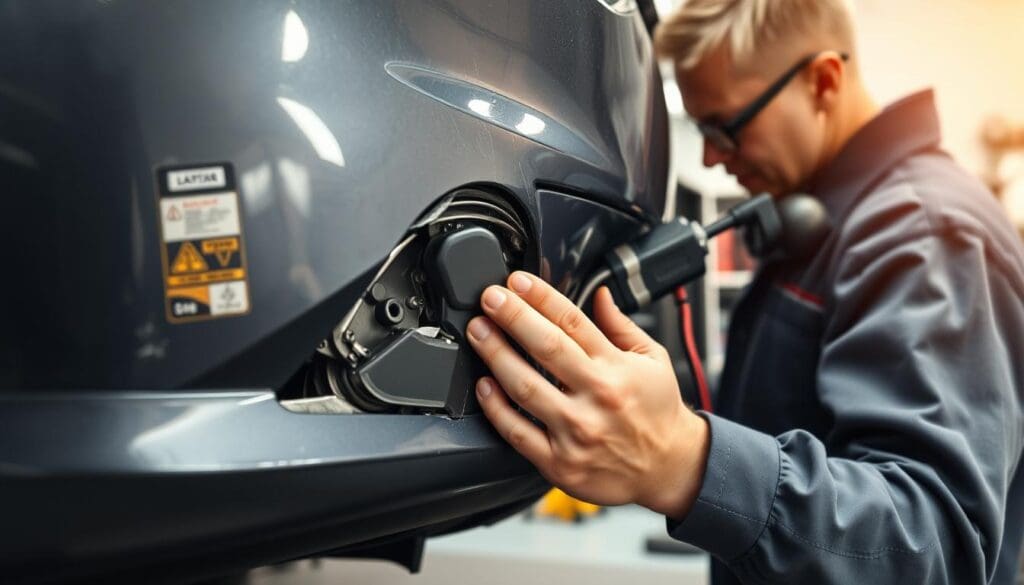
DIY vs. Professional Repair
When it comes to addressing minor collision damage, such as scratch repair or small dents, you have two main options: do-it-yourself (DIY) repairs or seeking professional assistance. Each approach has its own advantages and considerations to weigh.
When to Consider DIY Repairs
DIY auto body repair can be a cost-effective solution for very minor scratches or small dents. By eliminating labor costs, individuals can save a significant amount of money while having the freedom to source their own parts and materials. This allows for a more flexible timeline, enabling you to work at your own pace.
Benefits of Professional Repair Services
On the other hand, professional auto body repair services offer expertise, proper tools, and quality materials. They can identify and address any hidden damage, ensure structural integrity, and provide lasting repairs. This is especially important for damage affecting safety features or requiring precise paint matching. Professional repairs also come with warranties and guarantees, giving you peace of mind and prompt resolution of any post-repair issues.
While DIY repairs may be suitable for scratch repair or small dents, professional assistance is often recommended for more extensive damage or complex repairs. The investment in expert craftsmanship, specialized equipment, and adherence to industry standards can ensure high-quality results and a restoration of your vehicle to its pre-damage condition.
Ultimately, the decision between DIY and professional quick collision fixes will depend on the extent of the damage, your personal skills and resources, and the value of your vehicle. By carefully considering the tradeoffs, you can make an informed choice that best suits your needs and ensures the longevity of your car’s appearance and performance.
The Repair Process
When it comes to repairing minor collision damage or addressing scratch repair, the process at our shop is designed to restore your vehicle to its pre-accident condition. We take a comprehensive approach, ensuring that every step is carried out with the utmost care and attention to detail.
Steps We Take to Restore Your Vehicle
- Thorough inspection: Our experienced technicians will meticulously inspect your vehicle, identifying all areas of damage, both visible and hidden.
- Damage removal: Using specialized tools and techniques, we will carefully remove any dents, scratches, or other damage to the affected areas.
- Surface preparation: The surface is then thoroughly prepared, ensuring a smooth and even surface for the next steps.
- Painting (if necessary): If the damage requires repainting, our skilled painters will match the color and finish to seamlessly blend the repaired area with the rest of your vehicle.
- Quality control checks: Before the vehicle is returned to you, we conduct a thorough inspection to ensure the repairs meet our high standards of quality and functionality.
Quality Materials and Techniques
At our shop, we pride ourselves on using only the highest-quality materials and the latest repair techniques to ensure the best possible outcome for your vehicle. We work closely with insurance providers to obtain the necessary parts and resources to complete the job correctly the first time, minimizing any inconvenience to you.

From start to finish, our team is dedicated to providing a seamless and stress-free experience. By following these proven steps and using quality materials, we are confident in our ability to restore your vehicle to its pre-accident condition, allowing you to get back on the road with peace of mind.
Choosing the Right Repair Shop
When dealing with minor collision damage, finding the right repair shop is crucial. Look for a facility with experienced technicians, proper certifications, and a solid reputation for quality work. Modern equipment and the use of high-grade materials are also essential considerations when selecting a collision repair shop.
What to Look for in a Collision Repair Shop
- Experienced and certified technicians who stay up-to-date with the latest repair techniques and technology
- A well-equipped facility with state-of-the-art tools and equipment to handle quick collision fixes and repairing minor collision damage
- A commitment to using only high-quality, manufacturer-approved replacement parts
- A proven track record of customer satisfaction and positive reviews
- Transparent communication throughout the repair process
Why We Stand Out at Curro’s Paint and Body
At Curro’s Paint and Body, we pride ourselves on our comprehensive approach to collision repair. Our team of experienced and ASE-certified technicians is dedicated to restoring your vehicle to its pre-accident condition. We utilize state-of-the-art tools and equipment, ensuring thorough and precise quick collision fixes and repairing minor collision damage. Our commitment to customer satisfaction is unparalleled, and we stand behind our work with a limited lifetime warranty on all repairs.
When you choose Curro’s Paint and Body, you can trust that your vehicle is in capable hands. We’ll guide you through the entire repair process, from assessment to completion, ensuring your peace of mind every step of the way.
Insurance and Repairs
When it comes to repairing minor collision damage, such as small dents or scratches, understanding your insurance coverage is crucial. Even if the damage seems minor, it’s important to notify your insurance company about any accidents, as there may be hidden issues that require attention.
Navigating Insurance Claims for Minor Damage
If the cost of repairing the damage exceeds your deductible, it’s generally worth filing an insurance claim. Your policy’s coverage for minor collision damage will determine the best course of action. Be prepared to provide detailed information, photos, and the police report (if available) to support your claim.
What to Expect During the Claims Process
- Be ready for an insurance adjuster to inspect the damage and provide an estimate for the repairs.
- Understand that pre-existing damage or damage that wasn’t reported promptly may not be covered by your insurance.
- Consider the potential impact on your premiums before filing a claim, especially for minor repairing minor collision damage or small dents.
Navigating the insurance claims process can seem daunting, but with the right information and preparation, you can ensure a smooth experience and get your vehicle back on the road in no time. Remember, prompt reporting and attention to minor collision damage can help maintain the value of your car and prevent further issues down the line.
Preventing Future Damage
At Curro’s Paint and Body, we understand that the best approach to maintaining your vehicle’s pristine condition is through proactive measures. While we excel at scratch repair and quick collision fixes, our goal is to help you avoid these issues in the first place. Here are some simple tips to protect your vehicle and prevent future damage:
Safe Driving Practices
- Maintain a safe following distance from other vehicles, especially in inclement weather.
- Avoid distractions like texting, eating, or adjusting the radio while driving.
- Obey traffic signals, signs, and lane markings to reduce the risk of accidents.
- Adjust your speed to match the road conditions and posted limits.
Regular Maintenance
Keeping up with routine maintenance can go a long way in preventing dents and scratches. Regular waxing and the application of protective coatings can help resist minor damage. Additionally, addressing any recalls or design defects in your vehicle can help maintain its structural integrity and safety.
By following these simple tips and prioritizing preventative measures, you can enjoy a worry-free driving experience and protect the value of your vehicle. Remember, a little care and attention can go a long way in avoiding the need for scratch repair or quick collision fixes down the road.
Ready to Fix Your Minor Collision Damage?
Don’t let minor collision damage compromise your vehicle’s appearance or value. At Curro’s Paint and Body, we offer expert care for all types of minor damage, including scratches, dents, and more. Our skilled technicians use advanced techniques and quality materials to ensure superior results, getting your car back on the road quickly and looking its best.
Contact Curro’s Paint and Body Today!
Our team is ready to assist you with any minor collision repair needs. Whether it’s a small dent, a scratch, or other cosmetic damage, we have the expertise and resources to restore your vehicle to its original condition. Contact us today to schedule a consultation and experience our commitment to quality and service.
Our Commitment to Quality and Service
At Curro’s Paint and Body, we take pride in our attention to detail and our dedication to customer satisfaction. From the moment you step into our shop, you’ll see that we’re committed to providing a seamless and stress-free repair experience. Our goal is to not only fix your vehicle but to exceed your expectations every step of the way.
FAQ
What is minor collision damage?
Minor collision damage includes scratches, dents, and minor structural issues that may not be immediately visible. Common types include bumper damage, paint scratches, and small dents.
Why is prompt repair of minor collision damage important?
Prompt repair is crucial to prevent further deterioration, maintain vehicle value, and ensure safety. Hidden frame damage or undercarriage issues can compromise vehicle integrity, and even minor accidents can cause injuries like whiplash that may not be immediately apparent.
How do I inspect my vehicle for minor damage?
Thoroughly inspect your vehicle for visible damage, including scratches, dents, and paint chips. Check for alignment issues and ensure doors, hood, and trunk open and close properly. Look for signs of frame damage or structural issues, and take photos from various angles for documentation.
When should I consider DIY repairs versus professional services?
DIY repairs may be suitable for very minor scratches or small dents. However, professional repair services offer expertise, proper tools, and quality materials. They can identify and address hidden damage, ensure structural integrity, and provide lasting repairs, especially for damage affecting safety features or requiring paint matching.
What can I expect from the professional repair process?
The repair process includes a thorough assessment, damage removal, surface preparation, painting if necessary, and quality control checks. We use state-of-the-art techniques and high-quality materials to ensure seamless repairs and address both visible damage and potential underlying issues.
What should I look for in a collision repair shop?
Look for a repair shop with experienced technicians, proper certifications, and a good reputation. Consider their use of modern equipment and quality materials. At Curro’s Paint and Body, we offer expert technicians, state-of-the-art facilities, and a commitment to customer satisfaction.
How do I navigate the insurance claims process for minor collision damage?
Always notify your insurance company about accidents, even if you don’t intend to file a claim. If damage exceeds your deductible, consider filing a claim. Understand your policy’s coverage, provide detailed information, photos, and the police report if available, and be prepared for an insurance adjuster’s inspection and estimate.
How can I prevent future minor collision damage?
Practice safe driving, maintain proper distance from other vehicles, and park carefully. Regular maintenance, including waxing and protective coatings, can help resist minor scratches. Be mindful of road conditions and potential hazards, and address minor issues promptly to prevent them from worsening over time.

