


When it comes to restoring the safety and appearance of our vehicles after a collision, we have two primary options: DIY (do-it-yourself) repairs or seeking professional collision repair services. While the DIY approach may offer cost savings, the expertise and specialized resources of professional technicians are often essential for ensuring high-quality, long-lasting repairs.
Collision repair is a delicate and complex process that requires meticulous attention to detail. DIY repairs can certainly be tempting, as they allow us to take an active role in the restoration and potentially save on labor costs. However, the risks of mistakes and incomplete repairs can often outweigh these potential savings, leading to additional expenses down the line.
Key Takeaways
- Professional collision repair services offer expertise, specialized tools, and warranties for a higher upfront cost.
- DIY repairs may save on labor costs but require the purchase of tools, materials, and products, and can lead to additional expenses if mistakes are made.
- Professional technicians have extensive training and certifications, ensuring high-quality repairs that meet or exceed OEM specifications.
- Professional auto body shops have access to advanced tools and equipment designed for complex automotive repairs.
- Choosing the right repair option requires considering factors like cost-effectiveness, long-term quality, and personal skill level.
Understanding Collision Repair Basics
When it comes to maintaining the integrity and appearance of your vehicle, collision repair plays a crucial role. Collision repair is the process of fixing damage to a car’s body and components caused by accidents, impacts, or other incidents. Whether you’re dealing with minor dents, scratches, or more extensive structural issues, understanding the basics of collision repair can help you make informed decisions about the best course of action.
What is Collision Repair?
Collision repair involves a systematic approach to restoring a vehicle to its pre-accident condition. This may include straightening or replacing damaged parts, such as panels, fenders, or bumpers, as well as addressing any issues with the vehicle’s alignment, suspension, or electronics. The repair process often requires specialized tools, equipment, and techniques to ensure a seamless and lasting result.
Common Types of Collision Damage
- Dents and Dings – These are localized areas of impact that cause the vehicle’s surface to become misshapen without penetrating through the body panel.
- Scratches and Scuffs – Superficial damage to the vehicle’s paint and clearcoat, often caused by minor impacts or contact with objects.
- Structural Damage – More severe impacts that can affect the vehicle’s frame, chassis, or other critical structural components, requiring extensive repair or replacement.
- Paint Damage – Ranging from fading and discoloration to complete loss of the paint finish, which may necessitate repainting the affected areas.
Understanding the nature and extent of collision damage is crucial in determining the appropriate repair approach, whether it involves auto body damage correction, repair process restoration, or, in some cases, complete accident recovery.
The Appeal of DIY Repair
The allure of DIY auto repair can be quite tempting. After all, who doesn’t want to save a few bucks and get their hands dirty? However, the reality is that DIY collision repair requires specific skills, tools, and knowledge that not everyone possesses. While the potential for cost savings and accessibility is undeniable, the success of DIY repairs largely depends on the individual’s level of expertise and willingness to invest time and effort.
Cost Savings and Accessibility
One of the primary reasons DIY auto repair holds appeal is the potential for cost savings. By tackling the work themselves, car owners can avoid the labor costs associated with professional collision repair services. Additionally, the flexibility in scheduling DIY repairs can be alluring, as individuals can work on their vehicles on their own time.
Skills Required for DIY Repairs
But the road to successful DIY auto repair isn’t always smooth. Proper repair skills are essential, as even minor mistakes can lead to more extensive and costly issues down the line. Skilled professionals possess the necessary training to handle diverse repair scenarios, encompassing intricate structural and cosmetic problems that may be beyond the capabilities of the average DIY enthusiast.
- Approximately 30% of DIY auto body repairs require additional hours due to errors.
- Failure to comply with legal regulations regarding vehicle repairs can lead to hefty fines and compromise safety and roadworthiness.
- Errors during a DIY repair process may result in additional expenses down the line if they lead to complications or failures.
While the appeal of cost-effective solutions and the sense of accomplishment from DIY DIY auto repair is undeniable, it’s crucial to weigh the potential risks and limitations before embarking on a collision repair journey. The key is to be honest about one’s skill level and the complexity of the task at hand.
Limitations of DIY Solutions
While the allure of do-it-yourself (DIY) collision repair can be tempting due to potential cost savings, it’s crucial to understand the limitations and risks involved. Incomplete or improper DIY fixes can compromise vehicle safety and aesthetics, potentially leading to further damage down the road.
Risks of Incomplete Repairs
Collision repair requires a careful, step-by-step process to ensure the vehicle is restored to its pre-accident condition. DIY attempts may overlook critical components or fail to address underlying structural issues, leaving the car in an unsafe and unstable state. This can not only jeopardize the driver’s and passengers’ safety but also negatively impact the vehicle’s resale value.
The Importance of Proper Tools
- Professional-grade equipment and tools are essential for achieving high-quality collision repairs.
- Lacking access to specialized equipment, DIY enthusiasts may struggle to properly align, straighten, or refinish damaged areas, leading to quality concerns.
- Improper use of tools or substituting them with makeshift alternatives can exacerbate the repair risks and compromise the quality of the final result.
In summary, while DIY repairs may seem like a cost-effective solution, the limitations in terms of expertise, tools, and the complexity of modern vehicle construction often outweigh the potential savings. Entrusting your vehicle to experienced professionals is the best way to ensure a safe, high-quality, and long-lasting collision repair outcome.
Advantages of Professional Collision Repair
When it comes to collision repair, entrusting your vehicle to expert technicians can make all the difference. Professional auto body shops employ expert repair specialists trained in the latest techniques and equipped with advanced technology. This ensures your car is restored to its pre-accident condition with the quality assurance you deserve.
Expertise and Experience
The skilled technicians at professional collision repair centers have years of experience and specialized training. They stay up-to-date with industry standards and vehicle-specific repair protocols, allowing them to handle even the most complex problems. Their expertise ensures your vehicle is repaired correctly the first time, minimizing the risk of future issues.
Advanced Technology and Techniques
- Professional shops have access to state-of-the-art diagnostic tools and equipment, enabling them to assess and address all aspects of collision damage accurately.
- They utilize the latest repair techniques, such as precision frame straightening and computerized color matching, to restore your vehicle to its original appearance and performance.
- Professional repairs often come with warranties, providing you with peace of mind and the assurance of long-lasting quality.
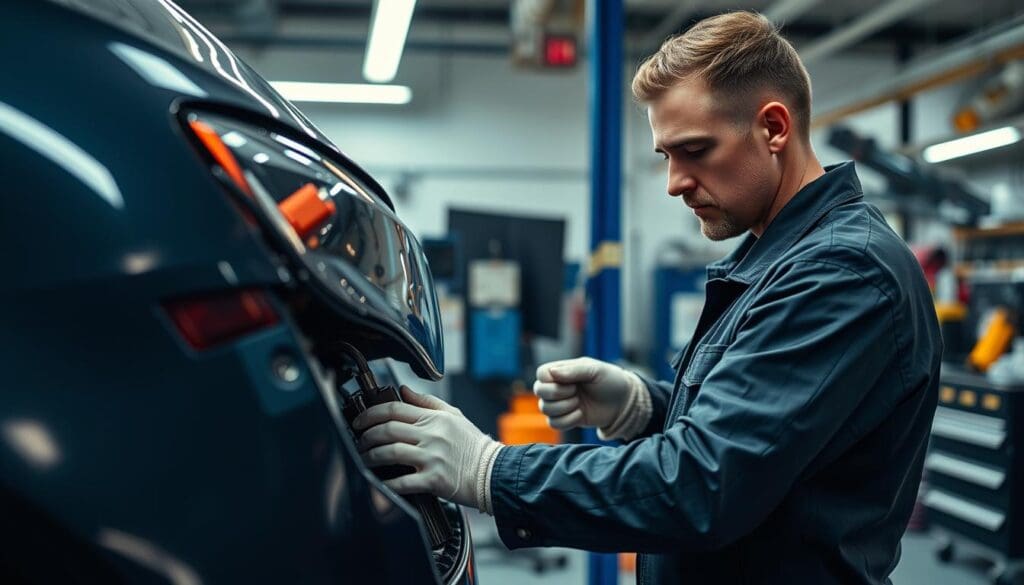
When you choose a professional collision repair service, you can trust that your vehicle will be in the hands of experts dedicated to returning it to its pre-accident condition with advanced techniques and the quality assurance you expect.
Costs: DIY vs Professional
When it comes to collision repair, the initial costs can be a significant factor in our decision-making process. While DIY repairs may seem like an appealing way to save money, they can often lead to hidden expenses down the road. On the other hand, professional collision repair services come with a higher upfront cost, but they offer long-term value and peace of mind.
Initial Costs vs. Long-term Value
DIY collision repair may seem like a budget-friendly option, as it eliminates the labor costs associated with professional services. However, the costs of purchasing the necessary tools, materials, and specialized equipment can quickly add up, potentially negating any initial savings. Furthermore, without proper expertise, DIY repairs run the risk of being incomplete or subpar, leading to the need for additional repairs in the future.
In contrast, professional collision repair shops offer a comprehensive service that includes high-quality workmanship, the use of advanced technology and techniques, and warranties on their work. While the upfront costs may be higher, the long-term value of a professional repair can outweigh the initial investment. With the assurance of proper repairs and the backing of a warranty, car owners can have peace of mind and avoid the hidden costs of DIY mistakes.
Hidden Costs of DIY Repairs
Beyond the initial expenses, DIY collision repairs can also come with hidden costs. Improperly completed repairs can lead to further damage, requiring even more time and money to fix. Additionally, the time investment required for DIY projects can be significant, taking away from other responsibilities and activities. This opportunity cost should be factored into the overall decision-making process when considering DIY versus professional collision repair.
In the end, the choice between DIY and professional collision repair comes down to a careful evaluation of the repair costs, long-term value, and cost comparison for your specific situation. While DIY may seem tempting, the potential for hidden expenses and the importance of quality workmanship make professional collision repair a strong option to consider.
Safety Considerations in Collision Repair
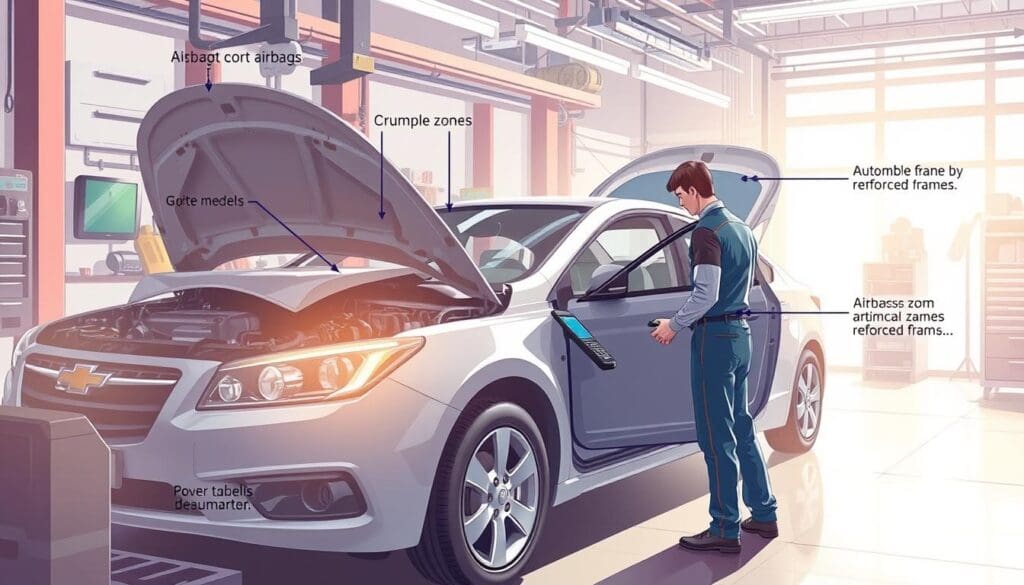
When it comes to collision repair, safety should be the top priority. Professional technicians understand the importance of ensuring vehicle safety, as improper repairs can compromise the structural integrity and safety features of your car. Attempting do-it-yourself (DIY) repairs, on the other hand, risks overlooking critical safety aspects, especially in modern vehicles with complex systems.
Ensuring Vehicle Safety
Professional collision repair technicians are trained to identify hidden structural damage and misaligned frames, which can be difficult for untrained individuals to detect. They utilize state-of-the-art equipment, such as frame straightening machines and computerized color matching systems, to restore your vehicle to its pre-accident condition while maintaining safety standards.
Legal Implications of Poor Repairs
Driving a vehicle with improper repairs can have serious legal implications, particularly if the poor repairs lead to an accident. Professional collision repair shops offer warranty and liability coverage, ensuring that you are protected in case of any issues. DIY repairs, however, may not provide the same level of assurance, potentially leaving you vulnerable to legal risks.
Entrusting your vehicle to professional collision repair experts is essential for maintaining its safety and compliance with legal standards. By prioritizing quality and expertise, you can have peace of mind knowing that your car is in good hands and ready to hit the road with confidence.
Choosing the Right Repair Option
When it comes to collision repairs, the decision between DIY and professional services can be a tricky one. The key lies in accurately assessing the severity of the damage. Minor cosmetic issues, such as clear coat scratches, may be suitable for a DIY approach, allowing you to save money and exercise your skills. However, for more complex repairs involving structural components or safety systems, it’s best to seek professional consultation.
Factors like your personal skill level, available time, and the importance of maintaining your vehicle’s value should all be considered when making the repair decision. If you’re unsure about the extent of the damage assessment, it’s always wise to consult with a professional body shop. They can provide an expert evaluation and guide you towards the most appropriate solution, whether that’s a DIY fix or a comprehensive professional repair.
Evaluating Damage Severity
The severity of the collision damage is the primary factor in determining the best course of action. Minor scratches and dents may be manageable with DIY techniques, but deeper paint scratches, primer damage, or structural issues require the expertise of a professional collision repair specialist.
- Clear coat scratches: These affect only the top layer of the paint and can often be addressed with touch-up pens or polishing compounds.
- Primer scratches: Penetrating the clear coat, these deeper scratches require more advanced repair methods, such as sanding and repainting.
- Paint scratches: The most severe type, reaching the base paint layer and exposing the metal body, these typically necessitate professional damage assessment and repair.
When to Call a Professional
If you’re unsure about the extent of the damage or lack the necessary skills and tools, it’s always better to err on the side of caution and seek professional consultation. Professional collision repair technicians have the expertise and specialized equipment to ensure your vehicle is properly restored, preserving its safety and value.
Signs that indicate the need for professional help include deep scratches, color mismatch, or damage to multiple panels. Additionally, any repairs involving safety systems or structural components should be handled by trained professionals to ensure your vehicle’s roadworthiness and your own safety.
Why Curro’s Paint and Body is Your Best Choice
At Curro’s Paint and Body, we take pride in our commitment to quality and customer satisfaction. As expert collision repair specialists, our team of certified technicians utilizes advanced technology and proven techniques to ensure top-notch repairs for your vehicle. Whether you’re dealing with a minor dent or major structural damage, you can trust us to handle it with the utmost care and precision.
Our extensive experience in the collision repair industry allows us to tackle a wide range of collision-related issues, from minor cosmetic repairs to complex structural work. We understand the importance of maintaining your vehicle’s safety and preserving its value, which is why we prioritize delivering exceptional results every time. With quality guarantees backing our services, you can have peace of mind knowing that your car is in the hands of true professionals.
When you choose Curro’s Paint and Body, you’re selecting a partner that is dedicated to providing you with the highest level of customer satisfaction. Our team will work closely with you throughout the entire repair process, ensuring clear communication and transparent pricing. Experience the difference that expert collision repair can make by entrusting your vehicle to Curro’s Paint and Body – your one-stop solution for all your collision repair needs.
FAQ
What is collision repair?
Collision repair involves fixing damage to a vehicle’s body caused by accidents or impacts. Common types of damage include dents, scratches, structural issues, and paint damage. The repair process may involve assessing damage, straightening or replacing parts, and repainting.
What are the advantages of professional collision repair?
Professional collision repair offers expertise from certified technicians trained in the latest repair techniques. They have access to advanced diagnostic tools and equipment for accurate assessments and repairs. Professionals can handle complex repairs, ensure proper paint matching, and address structural issues effectively.
What are the risks of DIY collision repair?
DIY collision repair carries risks of incomplete or improper fixes, potentially compromising vehicle safety and aesthetics. Lack of professional-grade tools and equipment can limit the quality and scope of repairs. Mistakes in DIY repairs may lead to additional damage or expenses.
Why is proper collision repair crucial for maintaining vehicle safety?
Inadequate repairs can compromise structural integrity and safety features. Professional repairs ensure compliance with safety standards and regulations. DIY repairs risk overlooking critical safety aspects, particularly in modern vehicles with complex safety systems.
When should I consider seeking professional collision repair services?
Consider seeking professional help for any repairs involving safety systems, structural components, or extensive damage. Structural damage or complex repairs require professional attention, while minor cosmetic issues may be suitable for DIY.
What makes Curro’s Paint and Body the best choice for collision repair?
Curro’s Paint and Body offers expert collision repair services with a commitment to quality and customer satisfaction. Our team of certified technicians uses advanced technology and techniques to ensure top-notch repairs. We specialize in handling a wide range of collision damage and provide quality guarantees to maintain your vehicle’s safety and value.

