


When your vehicle is involved in a collision, navigating the insurance claim process can seem daunting. However, understanding the steps and key considerations can help ensure your repairs are handled efficiently and with minimal stress. As experienced professionals in the auto body industry, we’re here to guide you through the insurance claim process and get your car back on the road.
Key Takeaways
- The insurance claims process for collision repairs begins with filing a car insurance claim.
- Documenting the incident and damage thoroughly is crucial for a successful claim.
- Communication with your insurance provider and the auto body shop is essential throughout the repair process.
- Choosing a trusted, certified auto body shop can help streamline the insurance claim and repair experience.
- Understanding your insurance policy details, such as coverage and deductibles, can help you navigate the claims process effectively.
Understanding Collision Repair Insurance Claims
When it comes to getting your vehicle back on the road after a collision, understanding the insurance claim process is crucial. Collision coverage is designed to help manage the financial burden of repairs, ensuring your vehicle is restored to its pre-accident condition.
What Are Collision Repair Claims?
Collision repair claims are requests for compensation from insurance companies to cover the cost of repairing vehicle damage resulting from accidents. These claims play a vital role in helping vehicle owners navigate the complexities of insurance policies and ensure they receive fair compensation for their repairs.
Why They Matter for Vehicle Owners
The insurance approval and claim filing process is essential for vehicle owners, as it helps them manage the financial impact of collision repairs. Collision coverage typically pays for repairs regardless of fault, making it particularly valuable for newer vehicles or those being financed. Understanding the claims process ensures you receive the coverage you’re entitled to and get your vehicle back on the road as quickly as possible.
The claims process involves assessing the damage, obtaining repair estimates, and working closely with insurance adjusters to determine the appropriate coverage and repair costs. By navigating this process effectively, you can ensure your vehicle is repaired properly and your financial interests are protected.
Starting Your Claim: First Steps
Initiating a collision repair claim can seem daunting, but taking the right steps upfront can significantly streamline the process. The first crucial actions involve gathering all necessary information and promptly contacting your insurance company.
Gather Necessary Information
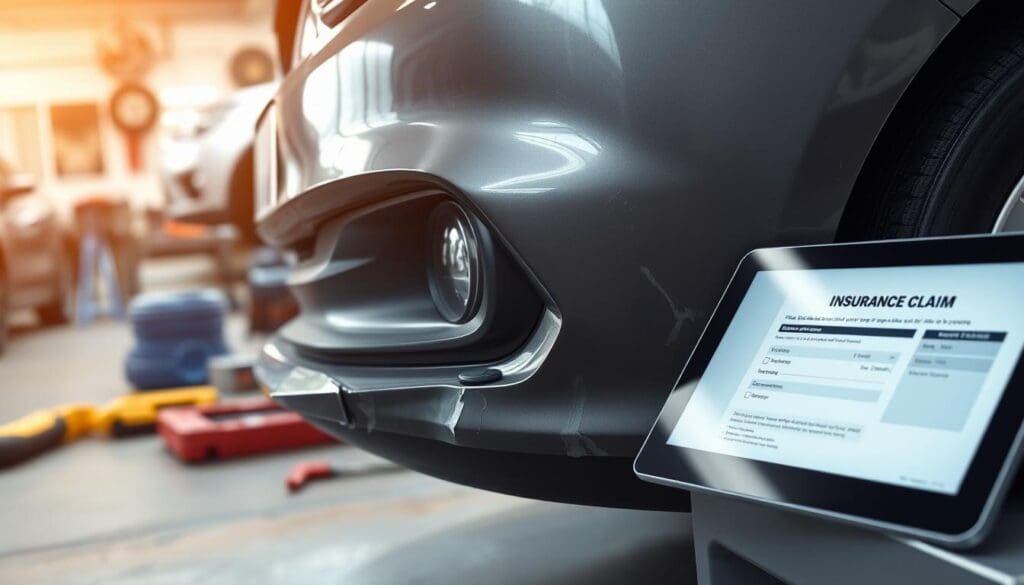
Begin by thoroughly documenting the accident. Take clear photographs of the vehicle damage, collect witness statements, and make note of the time, location, and circumstances surrounding the incident. This accident documentation will be essential for claim filing and ensuring a fair assessment of your insurance reporting.
Contact Your Insurance Company
Once you have the details in order, it’s time to notify your insurance provider. Call your insurer promptly, armed with your policy number and all relevant accident documentation. Timely claim filing and comprehensive reporting can help expedite the claims process and support a successful resolution.
- Gather photos of the vehicle damage
- Collect witness statements, if available
- Document the time, location, and details of the accident
- Contact your insurance company with your policy number
- Provide a thorough account of the incident
By taking these proactive first steps, you’ll be well on your way to navigating the collision repair insurance claim process with confidence and efficiency.
Key Terms to Know in Your Insurance Policy
Understanding the key terms and concepts in your insurance policy is crucial for navigating the claims process effectively. Two essential elements to be familiar with are deductibles and coverage limits.
Deductibles and Coverage Limits
Your deductible is the amount you’re responsible for paying out-of-pocket before your insurance coverage kicks in. Coverage limits, on the other hand, define the maximum amount your policy will pay for a claim. Knowing these terms helps you anticipate your financial obligations and make informed decisions about your vehicle repairs.
Understanding Your Rights and Responsibilities
It’s also important to review your policy carefully to understand your rights and responsibilities as the policyholder. This includes timelines for reporting accidents and requirements for claim documentation. Familiarizing yourself with these details can help ensure a smooth claims process and prevent any surprises or misunderstandings down the line.
Don’t hesitate to reach out to your insurance provider if you have any questions or need clarification on the terms and conditions of your insurance policy. Being an informed consumer can make a significant difference when it comes to getting your vehicle back on the road after a collision.
Remember, the key to navigating the insurance claim process is familiarizing yourself with the essential terms and understanding your rights and responsibilities as outlined in your coverage limits and deductibles. By taking the time to review your policy, you can ensure a more seamless experience when dealing with a collision repair claim.
How to Choose the Right Repair Shop
Selecting the right repair shop is crucial when it comes to collision repairs. Not all auto body shops are created equal, and it’s important to choose a certified facility that prioritizes quality workmanship and customer satisfaction. Look for certified body shops with technicians trained in the latest repair techniques and technologies.
Importance of Certified Body Shops
Certifications from organizations like ASE or I-CAR indicate a commitment to high standards and a dedication to auto repair quality. These certified facilities often have state-of-the-art equipment, experienced professionals, and a track record of delivering exceptional results. When you work with a certified body shop, you can have confidence in the repair estimates and the overall quality of the repairs.
What Sets Curro’s Paint and Body Apart
At Curro’s Paint and Body, we take pride in our certified technicians and our commitment to customer satisfaction. Our state-of-the-art facility is equipped with the latest tools and technology, ensuring that your vehicle receives the highest level of care. We work efficiently with insurance companies to provide accurate repair estimates and transparent communication throughout the repair process. Our track record of customer satisfaction is a testament to our dedication to quality workmanship and exceptional service.
When it comes to collision repairs, choosing a reputable and certified body shop like Curro’s Paint and Body can make a significant difference in the quality of the repairs and your overall experience. Let us help you get your vehicle back on the road in no time.

Working with Your Insurance Adjuster
Navigating the insurance claim process after a collision can be daunting, but effective communication with your insurance adjuster is key to a smooth resolution. The insurance adjuster will be responsible for assessing the damage, estimating repair costs, and determining the settlement amount. By understanding their role and following some simple tips, you can ensure a fair and efficient claims process.
Tips for Effective Communication
- Be prepared to provide detailed information about the accident, including time, location, and any other relevant details.
- Document all conversations with the insurance adjuster, including the date, time, and a summary of the discussion.
- Respond promptly to the adjuster’s requests for information or documentation, such as repair estimates or photographs of the damage.
- Maintain a professional and courteous tone throughout the process, as this can help build trust and facilitate a positive outcome.
Common Pitfalls to Avoid
While working with your insurance adjuster, it’s important to be aware of some common pitfalls that can arise during the claims process:
- Accepting the initial repair estimate without question. The adjuster’s initial assessment may not fully account for the extent of the damage, so be prepared to request a second opinion if needed.
- Overlooking additional damage discovered during the repair process. If your repair shop finds more damage than initially estimated, work with the adjuster to ensure the supplemental claim is approved.
- Rushing the process. Take the time to review all documentation and understand your coverage before signing off on the settlement offer.
By understanding your policy coverage, maintaining clear communication, and being proactive in the claims process, you can help prevent misunderstandings and ensure a fair resolution for your insurance adjuster, claim assessment, and repair estimates.
Getting Your Vehicle Back on the Road
When it comes to collision repairs, the timeline can vary depending on the extent of the damage, parts availability, and the repair shop’s workload. Typical repairs may take anywhere from a few days to several weeks. During this time, it’s crucial to maintain open communication with the repair shop to stay updated on the progress.
The Repair Timeline: What to Expect
The repair timeline for your vehicle can be influenced by a few key factors. Firstly, the severity of the collision will determine the complexity and duration of the repairs. Minor dents and scratches may be resolved relatively quickly, while more extensive structural damage can require a longer turnaround. Additionally, the availability of necessary parts can also impact the repair timeline.
At Curro’s Paint and Body, we understand the importance of getting your vehicle back on the road as soon as possible. Our team works diligently to ensure that the repair timeline is as efficient as possible, without compromising on quality assurance.
Post-Repair Inspections and Adjustments
- Once the repairs are complete, it’s essential to conduct a thorough post-repair inspection to ensure the quality of the work.
- During this inspection, you’ll want to check for a proper paint match, the functionality of all components, and overall quality assurance.
- If you have any concerns, don’t hesitate to address them with the repair shop. Many reputable shops, including Curro’s Paint and Body, offer warranties on their work, providing peace of mind after the repairs are complete.
By understanding the repair timeline and taking the necessary steps for post-repair inspection and adjustments, you can rest assured that your vehicle will be back on the road in top condition.
Let Us Help with Your Collision Repairs
At Curro’s Paint and Body, we understand the stress and inconvenience that can come with a vehicle collision. That’s why we’re dedicated to providing exceptional collision repair services to get your car back on the road safely and efficiently. With our team of certified technicians, state-of-the-art facility, and commitment to quality, you can trust us to handle your collision repair needs with the utmost care and expertise.
Why Choose Curro’s Paint and Body
At Curro’s Paint and Body, we’ve built a reputation for delivering unparalleled customer satisfaction. Our team of certified technicians uses the latest tools and techniques to ensure your vehicle is restored to its pre-accident condition. We work seamlessly with insurance companies to navigate the claim process, providing you with accurate estimates and keeping you informed every step of the way.
Contact Us for a Free Estimate
If you’ve been in a collision, don’t settle for anything less than the best. Contact Curro’s Paint and Body today for a free estimate and experience our commitment to quality collision repair services. Our experts will assess the damage, provide a detailed repair plan, and work closely with your insurance provider to ensure a smooth and hassle-free process. Let us help you get back on the road safely and with peace of mind.
FAQ
What are collision repair claims?
Collision repair claims are requests for compensation from insurance companies to cover the cost of repairing vehicle damage resulting from accidents. These claims are crucial for vehicle owners as they help manage the financial burden of repairs.
Why do collision repair claims matter for vehicle owners?
Understanding the claims process is essential for navigating the complexities of insurance policies, ensuring fair compensation, and getting quality repairs. Collision coverage typically pays for repairs regardless of fault, making it particularly valuable for newer vehicles or those being financed.
What are the first steps in initiating a collision repair claim?
Begin by gathering all necessary information, including photos of the damage, witness statements, and details of other involved parties. Document the incident thoroughly, noting the time, location, and circumstances of the accident. Contact your insurance company promptly to report the incident and provide comprehensive details.
What are some key insurance terms to understand in the claims process?
Deductibles are the amount you’re responsible for paying before your insurance coverage kicks in. Coverage limits define the maximum amount your policy will pay for a claim. Understanding these terms helps you anticipate out-of-pocket expenses and make informed decisions about repairs.
Why is choosing the right repair shop important?
Selecting a certified body shop with experienced technicians and state-of-the-art facilities can make a significant difference in the quality of repairs and overall experience. Curro’s Paint and Body stands out with its commitment to excellence, efficient insurance company coordination, and transparent communication throughout the repair process.
What tips can help with communicating effectively with the insurance adjuster?
Be prepared to provide detailed information about the accident and damage. Keep all communication professional and document conversations. Avoid common pitfalls like accepting initial estimates without question or rushing the process. If you disagree with the adjuster’s assessment, don’t hesitate to seek a second opinion or request further explanation.
What can I expect during the repair timeline?
The repair timeline can vary depending on the extent of damage, parts availability, and shop workload. Typical repairs may take anywhere from a few days to several weeks. Maintain open communication with the repair shop for updates, and conduct a thorough post-repair inspection to ensure quality work and proper functioning of all components.

