


As we navigate the roads, the safety of ourselves and others should be our top priority. Auto collisions are all too common, often resulting in injuries, fatalities, and substantial property damage. From distracted driving and speeding to driving under the influence, there are numerous factors that contribute to these tragic incidents. However, by adopting safe driving practices, we can significantly reduce the risk of being involved in an accident and promote a safer transportation environment for all.
In this article, we will explore a range of essential road safety tips that can help us avoid auto collisions and protect ourselves and our loved ones. Drawing from expert advice and recent statistics, we will delve into strategies for defensive driving, navigating various road conditions, and responding appropriately in the event of an accident. By incorporating these tips into our daily driving routines, we can do our part to make the roads a safer place for everyone.
Key Takeaways
- Road safety is crucial to prevent auto collisions and their devastating consequences.
- Common causes of accidents include distracted driving, speeding, and driving under the influence.
- Adopting safe driving practices, such as wearing seatbelts and following speed limits, can significantly reduce the risk of accidents.
- Implementing defensive driving techniques, like anticipating other drivers’ actions and maintaining a safe following distance, enhances road safety.
- Navigating various road conditions, such as adverse weather and night driving, requires special attention and precautions.
Understanding the Importance of Road Safety
Road safety is a critical concern that affects us all. From personal well-being to the safety of our communities, the importance of adhering to traffic safety measures cannot be overstated. Auto collisions can have severe consequences, including injuries, fatalities, and financial losses. Understanding the risks and common causes of accidents is the first step in accident prevention.
Why Road Safety Matters to Us
As responsible citizens, we have a duty to ensure the safety of ourselves and others on the road. Unsafe driving practices, such as speeding, distracted driving, and impaired driving, can have devastating consequences. Statistics show that speeding has been involved in approximately one-third of all motor vehicle fatalities for more than two decades.
The Impact of Auto Collisions
Auto collisions can have a significant impact on individuals, families, and communities. In addition to the emotional toll, the financial burden of medical expenses, property damage, and lost productivity can be overwhelming. Maintaining a strong traffic safety mindset is essential for protecting ourselves and our loved ones from the devastating effects of accident prevention and collision impact.
Common Causes of Accidents
- Distracted driving, such as using smartphones or engaging in other activities while behind the wheel
- Speeding and failure to obey traffic signals and signs
- Impaired driving, including driving under the influence of alcohol or drugs
- Poor weather conditions and inadequate vehicle maintenance
By understanding the common causes of accidents and taking proactive steps to address them, we can significantly reduce the risk of traffic safety incidents and promote a safer environment for all road users.
Basic Tips for Safe Driving
Maintaining road safety is crucial for preventing accidents and protecting ourselves and others on the journey. As responsible drivers, we must prioritize safe driving practices to ensure a secure and enjoyable experience for all. Let’s explore some essential tips that can help us navigate the roads with confidence and care.
Always Wear Your Seatbelt
Seatbelts are our first line of defense against the unexpected. Regardless of the length of the journey, it is imperative that we always wear our seatbelts. This simple habit can significantly reduce the risk of severe injury or even fatality in the event of a collision.
Stay Within Speed Limits
Adhering to posted speed limits is not just a legal requirement, but a crucial safety measure. Speeding reduces our reaction time and increases the severity of accidents. By respecting the speed limits, we can maintain better control of our vehicles and react more effectively to changing road conditions.
Avoid Distractions While Driving
Distracted driving is a leading cause of accidents on our roads. It is essential that we keep our full attention on the task at hand and avoid activities that can take our eyes off the road. This includes refraining from using cell phones, adjusting the radio, or engaging in other tasks that can divert our focus from safe driving.
By implementing these basic tips for safe driving, we can contribute to a safer and more responsible driving culture. Defensive driving, along with a commitment to personal safety and the well-being of others, will go a long way in preventing accidents and preserving lives on the road.
Implementing Defensive Driving Techniques
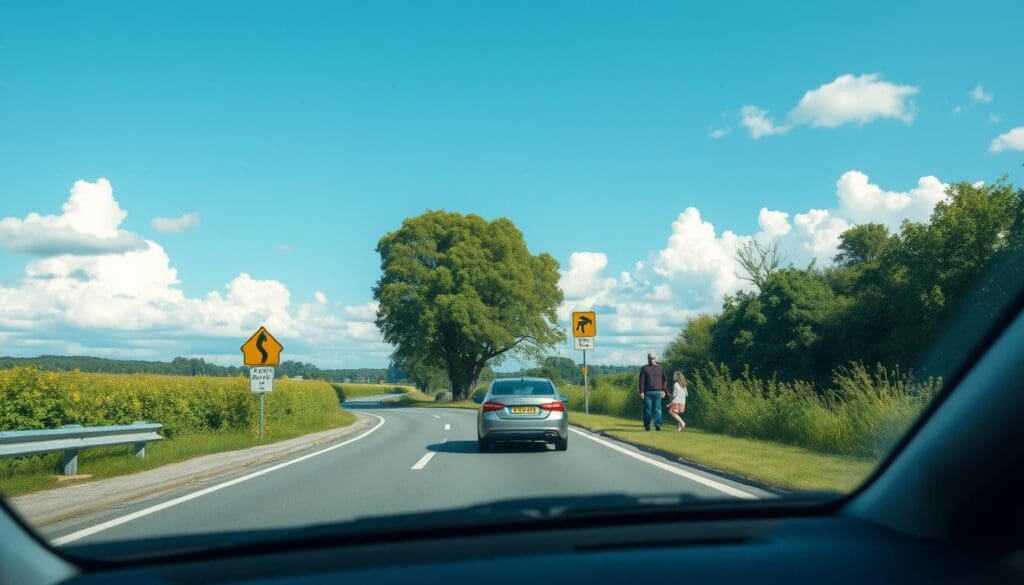
As responsible drivers, we must go beyond basic traffic laws and adopt defensive driving techniques to enhance road safety. Defensive driving involves anticipating potential hazards and having a plan to avoid them. By staying alert and proactively responding to the actions of other drivers, we can significantly reduce the risk of accidents.
Anticipate Other Drivers’ Actions
Successful defensive driving starts with staying vigilant and anticipating the behavior of other motorists. Scan the road ahead, observe vehicles around you, and try to predict their next moves. This allows you to prepare for sudden lane changes, abrupt stops, or any unexpected maneuvers.
Maintain a Safe Following Distance
Maintaining a safe following distance is crucial for preventing rear-end collisions. Traffic safety experts recommend a following distance of at least three seconds under good conditions. This space gives you ample time to react and brake if the vehicle in front of you suddenly stops. Increase your following distance in adverse weather or when driving at higher speeds.
Use Your Mirrors Regularly
Regularly checking your rearview and side mirrors is essential for defensive driving. This allows you to monitor the vehicles behind and around you, ensuring you’re aware of your blind spots before changing lanes or merging. Proper use of turn signals is also important for communicating your intentions to other drivers.
By implementing these defensive driving techniques, we can become more responsive and adaptable drivers, better equipped to handle various road situations and emergencies. Prioritizing safety should be the cornerstone of our driving habits, as it not only protects us but also those around us.

Navigating Various Road Conditions
As responsible drivers, we must be prepared to navigate a variety of road conditions to ensure our safety and that of others. From adverse weather to night driving and handling road construction areas, each scenario requires specific adjustments to our driving behavior.
Driving in Adverse Weather
Adverse weather conditions, such as rain, fog, snow, or excessive heat, can significantly impact road safety. In these situations, we must reduce our speed and increase our following distance to maintain control of our vehicle. Proper use of headlights, even during the day, can improve visibility and signal our presence to other drivers. Staying alert for potential hazards, such as hydroplaning or wildlife, is crucial for safe driving in adverse weather.
Tips for Night Driving
Night driving carries a higher risk of fatal crashes, so we must exercise extra caution. Ensuring our headlights are properly adjusted and maintaining a safe following distance can help us react to hazards in a timely manner. Regularly checking our mirrors and being aware of our surroundings is essential for navigating the roads at night.
Handling Road Construction Areas
When driving through road construction zones, it’s important to follow all posted signs and reduce our speed accordingly. Anticipating the flow of traffic and adapting our driving to the conditions can help us safely maneuver through these areas. Staying alert for workers, pedestrians, and temporary lane changes is crucial for maintaining the safety of everyone on the road.
By being proactive and adjusting our driving behavior to match the road conditions, we can significantly reduce the risk of accidents and ensure a safer journey for ourselves and others. Remember, safe driving is a shared responsibility, and we all have a role to play in keeping our roads secure.
What to Do After an Accident
In the unfortunate event of an auto collision, our top priority is ensuring the safety and well-being of all involved parties. If you find yourself in such a situation, the first step is to remain calm and assess the scene.
Ensure Everyone’s Safety First
Immediately check on the other drivers, passengers, and any pedestrians who may have been affected. If anyone requires medical attention, call emergency services without delay. Provide any necessary first aid, but do not move injured individuals unless it is absolutely necessary to prevent further harm.
Document the Scene and Gather Information
Once the immediate safety concerns have been addressed, it’s important to document the scene as thoroughly as possible. Take clear photographs of the vehicles involved, any damage, and the overall accident location. Gather contact information from the other driver(s), as well as any witnesses who may have seen the incident occur. This documentation will be crucial in the event of a claim or legal proceedings.
Remember, Curro’s Paint and Body is here to assist you with the repair of your vehicle should it sustain any collision-related damage. Our team of experienced technicians is dedicated to restoring your car to its pre-accident condition, ensuring your safety and peace of mind on the road ahead.
FAQ
What are the main causes of auto collisions?
The main causes of auto collisions include distracted driving, speeding, and driving under the influence. Statistics show that speeding has been involved in approximately one-third of all motor vehicle fatalities for more than two decades.
How can we prevent car accidents?
Adopting safe driving practices can significantly reduce the risk of accidents. These include always wearing a seatbelt, respecting speed limits, and avoiding distractions while driving.
What is defensive driving, and why is it important?
Defensive driving involves anticipating potential hazards and having a plan to avoid them. It includes maintaining a safe following distance, regularly using mirrors, and checking blind spots before changing lanes or merging. These techniques help drivers respond effectively to other road users and potential dangers.
How do weather conditions impact road safety?
Weather conditions such as rain, fog, snow, or excessive heat can significantly impact road safety. Drivers should adjust their behavior accordingly and get supervised practice driving in poor weather conditions before attempting it alone.
What should we do in the event of an accident?
In the event of an accident, the priority is to ensure safety first. Seek immediate medical attention, even for seemingly minor injuries. Document the scene by taking photos and gathering information from other involved parties and witnesses. Contact law enforcement to file a report, and consider consulting with a car accident attorney to understand your rights and potential compensation.

