

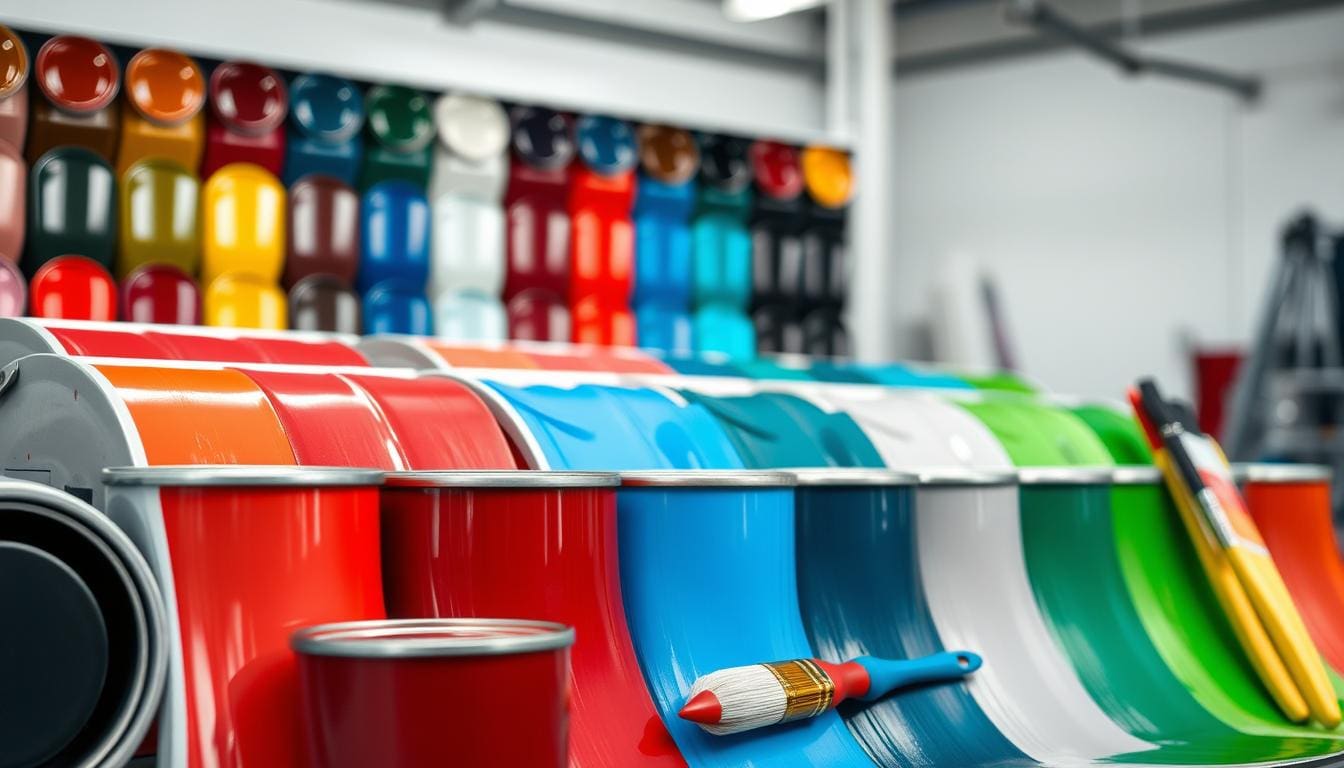
When it comes to vehicle maintenance and restoration, the type of paint used plays a vital role in not only the appearance but also the durability and longevity of the vehicle’s finish. In the world of collision repair, we are faced with a wide array of automotive paint options, each with its unique characteristics and applications. From solid finishes to metallic and pearlescent effects, the modern auto body technician must be well-versed in the various paint types to ensure a perfect, long-lasting repair.
Our vehicles are exposed to a variety of environmental factors that can take a toll on the paint, such as UV rays, extreme temperatures, and environmental pollutants. That’s why it’s crucial to choose a high-quality paint that can withstand these challenges and maintain its vibrant, glossy appearance for years to come. With advancements in paint technology, we now have access to a diverse range of options that not only protect the vehicle but also allow for personalization and customization to suit individual preferences.
Key Takeaways
- Automotive paint serves both protective and aesthetic purposes, with modern formulations designed to resist fading and environmental damage.
- The application process has become more efficient, allowing for multiple coats to dry in a matter of hours.
- Different paint types, including acrylic polyurethane enamel, spray, liquid, and powder, offer varying levels of customization and restoration capabilities.
- Collision repair technicians must have a deep understanding of the various paint types and their applications to achieve high-quality, long-lasting results.
- Factors such as durability, application, maintenance, and customization options are crucial when selecting the appropriate automotive paint for a collision repair project.
Understanding the Basics of Vehicle Paint
When it comes to automotive finishes, the foundation lies in understanding the components that make up vehicle paint. These paints consist of a blend of pigments, binders, solvents, and various additives – each playing a crucial role in achieving the desired automotive finishes, paint components, and durable finishes.
What is Vehicle Paint?
Vehicle paint is a complex mixture designed to protect the car’s surface and enhance its appearance. The pigments provide the color, the binders ensure adhesion and durability, the solvents aid in application, and the additives enhance specific properties like gloss, resistance, and drying time.
The Importance of Quality Paint
Investing in quality automotive finishes is crucial for maintaining the value and appearance of a vehicle. High-quality paint offers superior resistance to UV rays, chemicals, and abrasion, ensuring a long-lasting, attractive finish. Proper paint selection and application are essential for achieving a flawless result in auto body repair.
Understanding the basics of vehicle paint is the foundation for making informed decisions when it comes to collision repair and maintaining the beauty of your car.
Types of Paint Finishes in Collision Repair
In the world of automotive paint, the finish plays a crucial role in not only the overall appearance of a vehicle but also its durability and maintenance requirements. As experts in paint matching and automotive paint finishes, we’ll explore the three primary types of paint finishes used in collision repair: gloss, matte, and satin.
Gloss Finish
The gloss finish is the most common type of paint finish, providing a shiny, reflective surface that is often associated with a high-quality, luxurious appearance. This finish is popular among car enthusiasts and those seeking a classic, polished look. Achieving a seamless paint match is essential when repairing vehicles with a gloss finish, as any discrepancies in color or sheen can be easily noticeable.
Matte Finish
In contrast to the gloss finish, the matte finish offers a non-shiny, unique appearance that has gained popularity in recent years. This finish requires specialized maintenance and care, as it is more susceptible to surface imperfections and blemishes. However, the matte look can give a vehicle a distinctive and sophisticated aesthetic, particularly for those seeking a more modern or industrial-inspired design.
Satin Finish
The satin finish falls somewhere between the gloss and matte extremes, providing a subtle sheen that offers the best of both worlds. This finish is often described as having a soft, velvety appearance, making it a popular choice for those who want to strike a balance between the high-shine of gloss and the subdued look of matte. Achieving the perfect paint matching and color matching is essential when working with satin finishes to ensure a seamless integration with the vehicle’s automotive paint finishes.
Regardless of the paint finish, our team of skilled technicians utilizes state-of-the-art color matching systems and techniques to ensure that any collision repairs blend seamlessly with the rest of the vehicle’s surface. Whether you’re looking to restore a classic gloss finish or explore the unique appeal of a matte or satin look, we are here to help you achieve the perfect paint matching results.
Key Components of Vehicle Paint
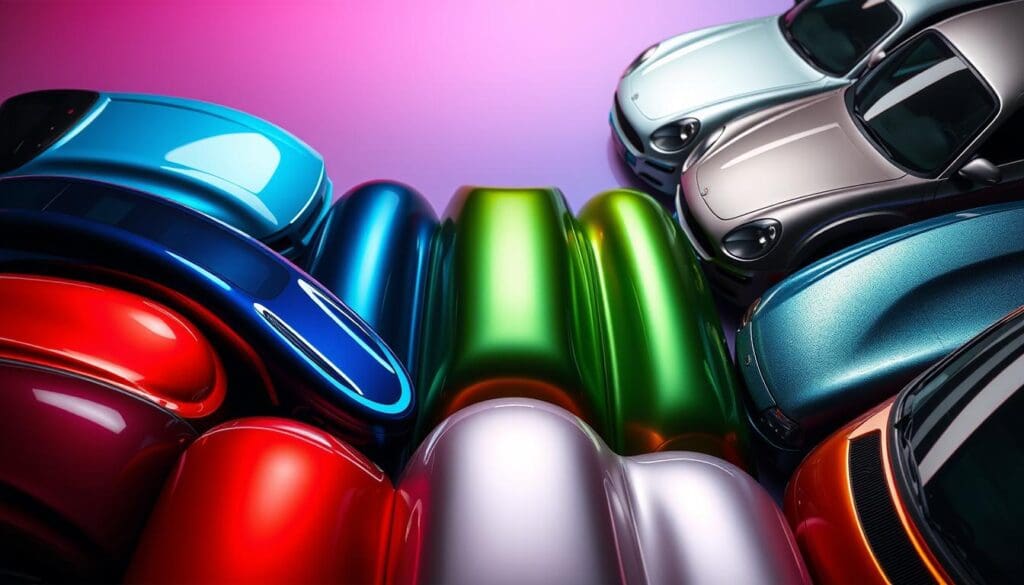
When it comes to the automotive paint system, understanding the key components is crucial. The paint layers work together to provide the desired appearance, protection, and longevity for your vehicle. Let’s delve into the primary elements that make up a high-quality paint job:
Base Coat
The base coat is the foundation of the paint system, containing the color pigments that give your vehicle its unique hue. This layer not only determines the primary color but also plays a vital role in the overall aesthetic appeal of the paint layers.
Clear Coat
Applied over the base coat, the clear coat is responsible for protecting the underlying paint and enhancing its depth and automotive paint system gloss. This transparent layer acts as a shield, shielding the base coat from environmental factors and ensuring the long-term paint protection of your vehicle’s finish.
Primer
The primer serves as the crucial foundational layer, providing a smooth and uniform surface for the base coat to adhere to. By improving paint adhesion, the primer helps create a durable and long-lasting paint layers finish, making it an essential component of the automotive paint process.
Together, these three key elements – the base coat, clear coat, and primer – form a comprehensive automotive paint system that ensures your vehicle’s paint remains vibrant, protected, and resistant to the elements for years to come.
Specialty Paints for Unique Needs
When it comes to custom paint jobs and specialty automotive finishes, the options go far beyond the standard glossy or matte coats. Metallic paints, pearl paints, and candy paints offer a unique touch that can truly make your vehicle stand out from the crowd.
Metallic Paints
Metallic paints contain small metal flakes that create a shimmering effect. This finish adds depth and dimension to the color, reflecting light in a way that can’t be achieved with traditional solid paints. Metallic paints are often used for a high-end, luxurious look on sports cars, muscle cars, and other specialty vehicles.
Pearl Paints
Pearl paints utilize ceramic crystal pigments to produce a subtle shimmer with more depth than metallic finishes. The result is a pearlescent glow that can range from soft and subtle to bold and vibrant, depending on the specific paint formulation. Pearl paints are a popular choice for custom paint effects on both new and classic vehicles.
Candy Paints
For a truly mesmerizing look, candy paints offer a translucent color coat over a metallic base. This creates a deep, rich appearance that seems to have an inner glow. Candy paints are often used for high-end custom paint jobs and specialty automotive finishes, as they require specific application techniques and may need more maintenance to preserve their unique appearance.
These specialty paints offer a world of possibilities for those seeking to make their vehicle truly one-of-a-kind. Whether you’re looking to turn heads with a dazzling metallic finish or create a captivating candy-coated effect, the options are limited only by your imagination.
Comparing Traditional and Modern Paints
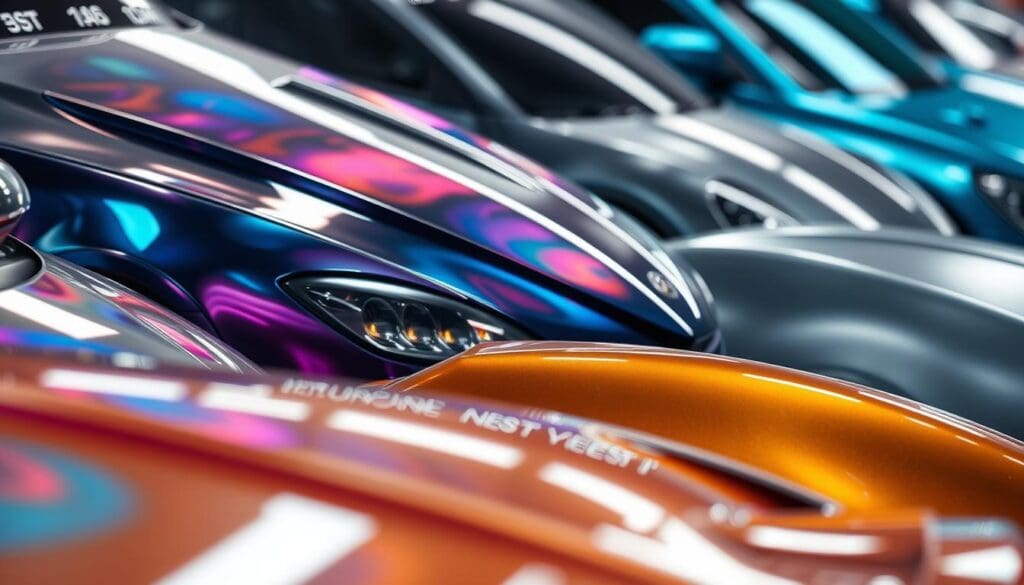
As the collision repair industry evolves, the landscape of vehicle paints is also undergoing a significant transformation. Traditional solvent-based paints have long been the standard, but they come with a significant drawback: high levels of volatile organic compounds (VOCs). These emissions have become a growing concern, leading to the development of more eco-friendly paint options that prioritize sustainability and environmental responsibility.
The Rise of Water-Based Paints
Water-based paints have emerged as a viable alternative, offering a significantly lower VOC content compared to their solvent-based counterparts. These modern paint technologies not only reduce environmental impact but also provide excellent coverage, durability, and resistance to fading, chipping, and other environmental damage. The shift towards water-based systems reflects the industry’s commitment to embracing eco-friendly paint options and paint technology advancements that minimize VOC emissions.
One of the key advantages of water-based paints is their versatility. They can be formulated to achieve a wide range of finishes, from high-gloss to matte, catering to the diverse preferences and needs of vehicle owners and collision repair professionals. This flexibility, combined with their environmental benefits, has made water-based paints an increasingly attractive choice in the market.
As the industry continues to evolve, the adoption of water-based paints is expected to accelerate, further solidifying their position as the preferred choice for collision repair and automotive refinishing. This shift not only benefits the environment but also showcases the industry’s commitment to staying at the forefront of paint technology advancements and eco-friendly paint options.
Selecting the Right Paint for Your Vehicle
When it comes to restoring or refreshing your vehicle’s paint, the selection process can be critical. As we navigate the various paint options available in the auto body repair industry, it’s important to consider several key factors that can impact the final result.
Factors to Consider
The make and model of your vehicle, your desired finish, and your budget are all important considerations when choosing the right paint. Additionally, the environmental conditions in your area, such as temperature and humidity, can also play a role in the selection process. For instance, durable urethane paints may be a preferred choice in regions with harsher weather, while enamels may be a more cost-effective option for some clients.
Application Techniques
The application method for the paint can also vary based on the specific type of paint and the desired outcome. From traditional spray guns to more advanced electrostatic application for powder coatings, the expertise of a professional collision repair technician is crucial in ensuring a high-quality, long-lasting finish. Proper surface preparation, including cleaning, sanding, and priming, is also essential for achieving the best results.
FAQ
What are the different types of paint used in collision repair?
Collision repair technicians work with a variety of paint types, including acrylic polyurethane enamel, spray, liquid, and powder forms. These paints are designed to provide durable, long-lasting finishes that protect the vehicle’s surface and maintain its appearance.
What are the key components of vehicle paint?
Vehicle paint is composed of pigments, binders, solvents, and additives. Pigments provide the color, binders ensure adhesion and durability, solvents aid in application, and additives enhance specific properties of the paint.
What are the different types of paint finishes used in collision repair?
The most common paint finishes in collision repair are gloss, matte, and satin. Gloss finish provides a shiny, reflective surface, matte finish offers a non-shiny, unique appearance, and satin finish falls between gloss and matte, providing a subtle sheen.
What are the key components of a vehicle’s paint system?
The main components of a vehicle’s paint system are the base coat, clear coat, and primer. The base coat contains the color pigments, the clear coat provides protection and enhances the paint’s depth and gloss, and the primer is the foundation layer that improves paint adhesion.
What are some specialty paint types used for customization and high-end vehicles?
Specialty paint types include metallic, pearl, and candy paints. Metallic paints contain small metal flakes that create a shimmering effect, pearl paints use ceramic crystal pigments for a unique shimmer, and candy paints offer a translucent color coat over a metallic base for a deep, rich appearance.
How do traditional and modern paints compare in terms of performance and environmental impact?
Traditional solvent-based paints have been widely used but contain high levels of volatile organic compounds (VOCs). Water-based paints are more environmentally friendly, reducing VOC emissions while providing excellent coverage and durability. Modern paints offer improved resistance to fading, chipping, and environmental damage compared to older formulations.
What factors should be considered when selecting the right paint for a vehicle?
When selecting paint, factors to consider include the vehicle’s make and model, desired finish, budget, and environmental conditions. Application techniques also vary based on the paint type and desired outcome, ranging from spray guns to electrostatic application for powder coatings.

