


Even minor accidents, often called fender benders, can leave your vehicle with noticeable damage. While it might seem tempting to ignore small dents or scratches, understanding the implications is crucial. This guide will help you evaluate whether repairing minor collision damage is worth the time and money.
Minor collisions can lead to hidden structural issues, potentially affecting your vehicle’s safety and value. For instance, did you know that 30% of vehicles with minor damage may have underlying structural problems? These issues can lead to safety risks and higher repair costs down the line. Additionally, unrepaired damage can reduce your vehicle’s resale value by up to 15%.
Documenting every detail is essential, even in minor accidents. This includes taking photos, gathering information from all parties involved, and reporting the incident to your insurance company. In some cases, like if the damage exceeds $1,000 or involves injuries, you may need to file a police report. Understanding your insurance policy and coverage options will also help you make informed decisions about repairs.
By the end of this guide, you’ll have a clear understanding of how to assess minor collision damage and make the best decision for your vehicle. We invite you to consider Curro’s Paint and Body for expert collision repair services, ensuring your vehicle is restored to its optimal condition.
Understanding the Nature of Minor Collision Damage
Even minor accidents, often called fender benders, can leave your vehicle with noticeable damage. While it might seem tempting to ignore small dents or scratches, understanding the implications is crucial. This guide will help you evaluate whether repairing minor collision damage is worth the time and money.
Minor collisions can lead to hidden structural issues, potentially affecting your vehicle’s safety and value. For instance, did you know that 30% of vehicles with minor damage may have underlying structural problems? These issues can lead to safety risks and higher repair costs down the line. Additionally, unrepaired damage can reduce your vehicle’s resale value by up to 15%.
Documenting every detail is essential, even in minor accidents. This includes taking photos, gathering information from all parties involved, and reporting the incident to your insurance company. In some cases, like if the damage exceeds $1,000 or involves injuries, you may need to file a police report. Understanding your insurance policy and coverage options will also help you make informed decisions about repairs.
By the end of this guide, you’ll have a clear understanding of how to assess minor collision damage and make the best decision for your vehicle. We invite you to consider Curro’s Paint and Body for expert collision repair services, ensuring your vehicle is restored to its optimal condition.
Assessing Your Vehicle After a Collision
After a collision, it’s crucial to assess your vehicle thoroughly. This process helps identify both visible and hidden issues that could affect safety and value. Understanding the extent of the damage is the first step toward making informed repair decisions.
Initial Steps for Evaluating Vehicle Damage
Start by ensuring your safety. Move your vehicle to a safe location if possible. Perform a visual inspection to check for obvious signs of damage, such as dents, scratches, or broken lights. Also, look for less noticeable issues like misaligned panels or fluid leaks, which may indicate underlying structural problems.
Next, check for mechanical issues. Listen for unusual noises, and pay attention to any changes in how your vehicle handles. Misaligned wheels or decreased brake performance are signs that professional inspection is needed.
Importance of Documentation and Photos
Documenting the accident is essential. Take clear photos of all damage from multiple angles. Capture close-ups of dents, scratches, and any misaligned parts. This visual evidence supports insurance claims and helps in getting accurate repair estimates.
Exchange information with all parties involved, including names, contact details, and insurance information. Report the incident to your insurance company promptly. Depending on the severity, you may need to file a police report. Detailed records will assist in the claims process and prevent disputes with adjusters.
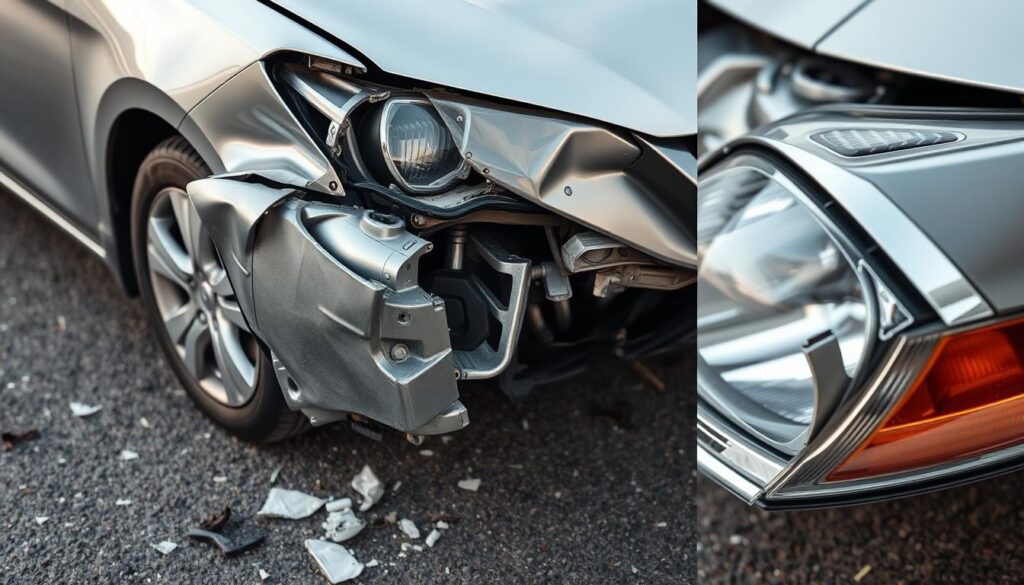
Keep all records, including repair estimates and communication with your insurance company. This documentation is vital for maintaining your vehicle’s history and ensuring proper repairs.
Minor collision damage: When to Repair
Deciding whether to repair minor collision damage involves evaluating several factors. Even small accidents can have significant consequences if left unaddressed.
Understanding the extent of the damage is the first step. Visible issues like dents or scratches are easy to spot, but hidden problems, such as misaligned panels or internal structural damage, may require professional inspection. Studies show that up to 30% of vehicles with minor damage may have underlying structural issues, which can lead to safety risks and higher repair costs over time.
Financial considerations are also crucial. Repair costs can range from $50 to $500, depending on the severity of the damage. Comparing these costs to your insurance deductible is essential. If the repair estimate is close to or below your deductible, paying out of pocket might be more cost-effective. Additionally, unrepaired damage can reduce your vehicle’s resale value by up to 15%.
- Evaluate both visible and hidden damage to understand the full scope of the issue.
- Consider repair costs relative to your insurance deductible and policy terms.
- Think about long-term impacts, such as potential worsening of damage and reduced resale value.
- Timely repairs can prevent further complications and maintain your vehicle’s integrity.
- Professional assessments can provide clarity on whether repairs are necessary.
Addressing minor collision damage promptly can save time and money in the long run. Professional collision repair services often guarantee their work, ensuring your vehicle retains its value and safety. By making an informed decision, you can avoid costly surprises and keep your vehicle in optimal condition.
Steps to Take Immediately After a Fender Bender
Remaining calm and taking the right steps after a car accident is crucial. Even if the incident seems minor, proper actions ensure safety and simplify the claims process.
Ensuring Safety and Contacting Authorities
Move your vehicle to a safe location to avoid further risks. Check for injuries and provide assistance if needed. Even in minor accidents, it’s essential to contact the police to file a report, especially if there are injuries or significant property damage.
Notify your insurance company promptly. They will guide you through the claims process and ensure compliance with legal requirements, such as filing an SR-1 report if necessary.
Gathering Essential Information
Exchange contact details, insurance information, and vehicle registration with all parties involved. Document the scene with photos and notes to support your claim. Accurate documentation improves the chances of a smooth claims process.
- Ensure everyone’s safety and provide assistance if needed.
- Contact the police to file a report, especially for injuries or significant damage.
- Notify your insurance company promptly to initiate the claims process.
- Exchange information with all parties involved.
- Document the accident scene with photos and detailed notes.
By following these steps, you can handle the situation effectively and protect your interests. Remember, timely and accurate documentation is key to a hassle-free experience.
Navigating Insurance and Legal Requirements
After a car accident, understanding your insurance and legal obligations is essential to ensure everything is handled properly. Prompt reporting and accurate documentation are key to avoiding complications.
Reporting the Incident to Your Insurer
Notify your insurance company as soon as possible. Provide detailed information about the accident, including the date, time, and location. This helps in processing your claim efficiently and ensures compliance with policy terms.
Understanding Legal Obligations and SR-1 Reports
If the damage exceeds $1,000 or there are injuries, you must file an SR-1 report with the DMV within 10 days. Include specifics like the accident location and involved parties to meet legal requirements.
Common Pitfalls and How to Avoid Them
Many overlook the importance of timely reporting, which can lead to legal issues or loss of benefits. Ensure all information is accurate to prevent claim delays or denials.
- Report the accident to your insurance company promptly.
- File an SR-1 report if required by law.
- Double-check all details for accuracy.
- Understand legal consequences of non-compliance.
Following these steps protects your rights and speeds up the claims process. Professional guidance can help navigate complex legal and insurance requirements, ensuring your vehicle is restored and your rights are protected.
Repair Options and Choosing the Right Shop
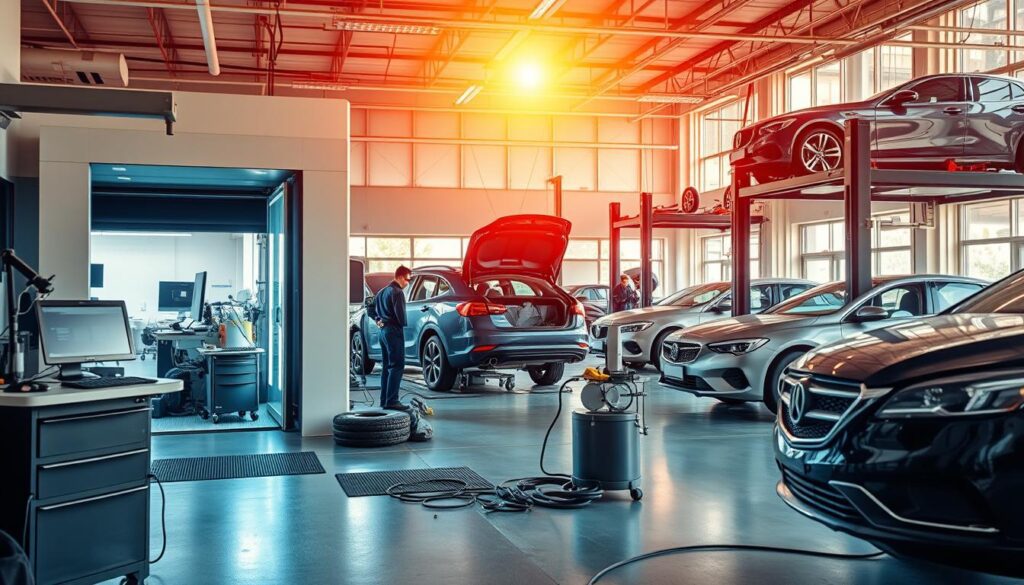
After a car accident, selecting the right repair shop is a critical decision that can significantly impact your vehicle’s safety and value. While it might be tempting to choose the cheapest option, it’s essential to prioritize quality and reliability to ensure your car is restored to its optimal condition.
Evaluating Repair Estimates and Costs
Obtaining multiple repair estimates is a smart way to compare costs and services. Look for detailed breakdowns that include parts, labor, and any additional fees. This transparency helps you understand where your money is going and ensures there are no hidden charges. Additionally, check if the estimate aligns with your insurance company’s assessment, as this can prevent unexpected out-of-pocket expenses.
When reviewing estimates, consider the following factors:
- Does the estimate include OEM (Original Equipment Manufacturer) parts, which are often higher quality and more durable than aftermarket alternatives?
- Are labor costs clearly itemized, and do they align with industry standards?
- Does the shop offer a warranty or guarantee on their work?
How to Choose a Collision Repair Specialist
Selecting a reputable collision repair specialist involves more than just comparing prices. Here are some key considerations to ensure you make an informed decision:
1. Check for Certifications: Look for shops certified by organizations like the Inter-Industry Conference on Auto Collision Repair (I-CAR) or the National Institute for Automotive Service Excellence (ASE). These certifications indicate that the technicians are trained to meet industry standards.
2. Read Customer Reviews: Research online reviews from multiple sources to gauge customer satisfaction. Pay attention to feedback about communication, repair quality, and overall experience.
3. Verify Licensing and Experience: Ensure the shop is properly licensed and has experience handling repairs similar to yours. Ask about their expertise with your vehicle’s make and model.
4. Timely Repairs: Delays in repairs can lead to further complications and reduce your vehicle’s value. Choose a shop with a reputation for efficient service without compromising on quality.
By carefully evaluating repair estimates and selecting a qualified collision repair specialist, you can ensure your vehicle is restored to its pre-accident condition. Remember, investing in quality repairs now can save you from costly issues down the road.
Preventative Measures and Future Protection
Protecting your vehicle from future accidents and maintaining its condition is essential for long-term safety and value. By adopting safe driving practices and regular maintenance, you can significantly reduce the risk of collisions and ensure your vehicle remains in optimal shape.
Tips for Avoiding Future Minor Collisions
Safe driving practices are key to preventing accidents. Defensive driving techniques, such as maintaining a safe following distance and being aware of your surroundings, can reduce the likelihood of minor collisions. Avoid distractions like texting or adjusting the radio while driving, as these can impair your reaction time.
Additionally, adhering to traffic laws, such as speed limits and proper signaling, can decrease the risk of accidents by up to 50%. Regular vehicle maintenance is also crucial. Ensuring your brakes, tires, and lights are in good condition can help prevent malfunctions that might lead to collisions.
Maintaining Your Vehicle Post-Repair
After repairs, regular maintenance is vital to preserve your vehicle’s integrity. Schedule routine inspections for your brakes, suspension, and exhaust system to catch potential issues early. Keep detailed records of all repairs and inspections, as this documentation can support future insurance claims and maintain your vehicle’s history.
Stay proactive by monitoring your vehicle’s condition and addressing any concerns promptly. This approach not only prevents additional damage but also reduces the need for costly repairs down the line. By combining safe driving habits with consistent maintenance, you can protect your investment and ensure your safety on the road.
Remember, preventative measures today can lead to long-term savings and improved vehicle performance tomorrow.
Conclusion
After a car accident, taking the right steps is crucial for your safety and the well-being of your vehicle. This guide has covered essential aspects, from assessing damage to navigating insurance and choosing the right repair shop.
A thorough evaluation of your vehicle is the first step. Even small dents or scratches can hide serious issues that affect safety and value. Timely repairs prevent further damage and maintain your car’s safety and appeal.
Documentation and legal requirements are equally important. Filing a police report and notifying your insurance company ensures a smooth claims process. Keeping detailed records supports your case and helps with future maintenance.
Choosing a reputable repair shop like Curro’s Paint and Body ensures your vehicle is restored to its best condition. Their expertise guarantees quality repairs, maintaining your car’s value and safety.
In conclusion, careful evaluation and proper repairs are key to protecting your investment. Trust Curro’s Paint and Body for expert collision repair services and ensure your vehicle remains safe and in top shape.
FAQ
Should I report a minor accident to my insurance company?
Yes, it’s important to notify your insurance company, even if the accident was minor. This ensures your claim is processed correctly and protects you in case the other party files a claim later.
What steps should I take immediately after a fender bender?
Move to a safe location, check for injuries, and call the police to file a report. Exchange information with the other driver, including names, contact details, and insurance policy numbers.
How do I determine who is at fault in an accident?
Fault is typically determined by the circumstances of the accident and local traffic laws. Consult with your insurance company and, if necessary, legal counsel to assess liability.
Can I choose any repair shop for my vehicle’s damage?
Most insurance policies allow you to choose a repair shop. However, check your policy terms to ensure the shop is covered under your insurance plan.
What if the other driver doesn’t have insurance?
If the other driver is uninsured, contact your insurance company immediately. They can guide you on how to proceed, possibly using your uninsured motorist coverage if available.
How long do I have to file a claim after an accident?
The time limit varies by state and insurance policy, typically ranging from a few days to several years. Review your policy or consult your insurance provider for specifics.
Will a minor accident increase my insurance rates?
It depends on the severity and whether you file a claim. Some insurance companies offer accident forgiveness for minor incidents, so check your policy terms.
What information should I gather at the accident scene?
Collect the other driver’s name, contact information, insurance details, vehicle make and model, and license plate number. Take photos of the accident scene and any visible damage.
Do I need to fill out an SR-1 report?
An SR-1 report is required if the accident caused injury, death, or property damage exceeding a certain threshold. Check with your state’s Department of Motor Vehicles for specific requirements.
How do I handle repairs if the other party’s insurance denies the claim?
If the other party’s insurance denies your claim, contact your own insurance company. They may cover the repairs under your collision coverage or pursue subrogation against the at-fault party.
Can I negotiate with the insurance company over the repair estimate?
Yes, if you believe the estimate is insufficient, provide detailed documentation or additional quotes to support your case. Your insurance company should work with you to reach a fair resolution.
How can I prevent minor accidents in the future?
Maintain a safe following distance, stay alert while driving, and ensure your vehicle is in good working condition. Defensive driving courses can also help improve your safety on the road.
What should I do if I notice new damage after the repair?
Contact the repair shop immediately. Most reputable shops offer warranties on their work and will address any issues promptly.

