

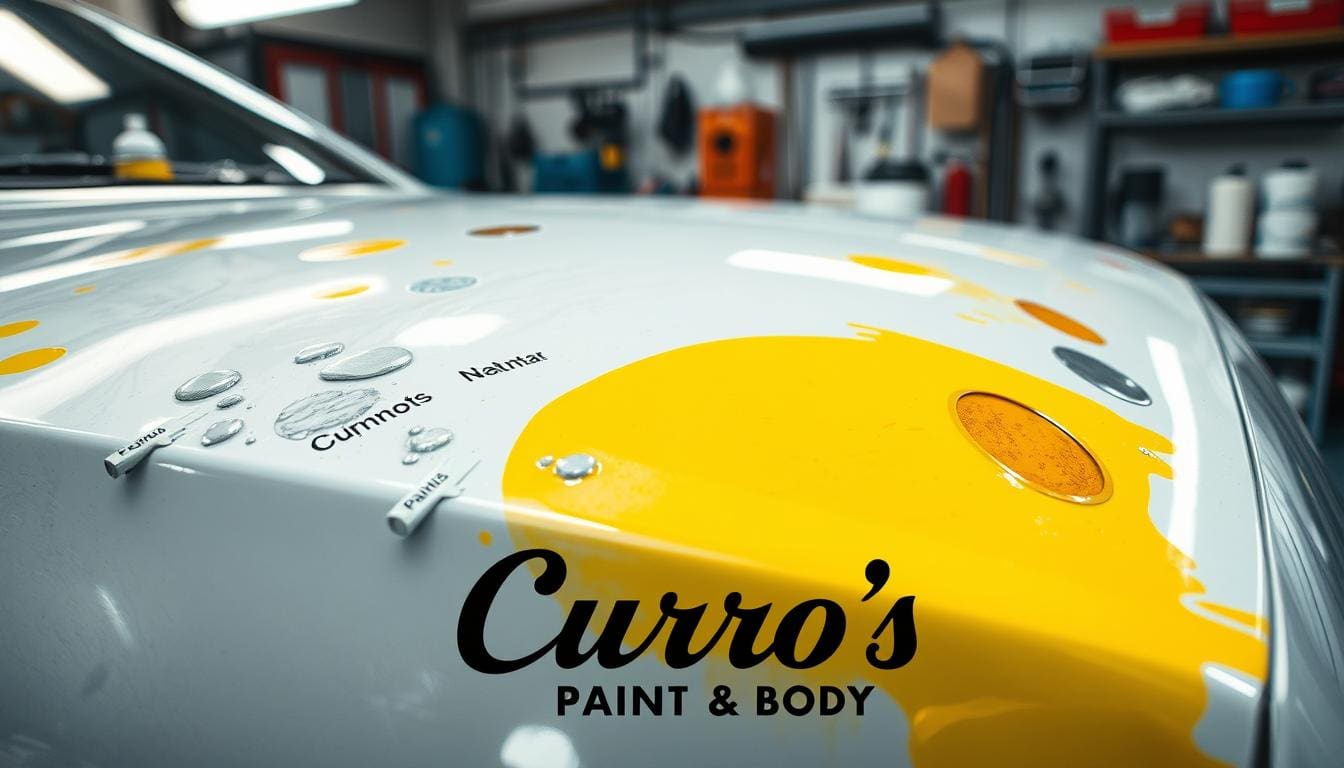
Car owners often wonder what auto body repair warranties cover. We aim to clear up any confusion. These warranties are meant to give you peace of mind. They ensure repairs last a long time.
But, it’s important to know that “lifetime” warranties usually only apply while you own the car. They don’t cover new owners.
Fixing paint imperfections can be affordable. Yet, it’s key to understand that warranties vary. This depends on the paint shop or the car’s maker.
Warranties don’t cover all car damage. They only cover specific issues related to the repair. So, picking a trusted repair shop is crucial. They should offer good warranties and know how to fix paint problems.
We at our company aim to be clear and reliable. We want to guide you through the complex world of collision repair warranties. We’re here to ensure your vehicle gets the best coverage, whether it’s for paint issues or other damage.
Key Takeaways
- Collision repair warranties typically only cover work while you own the vehicle
- Understanding your repair warranty helps you pick the best option
- Car paint job warranties have varying coverage based on the paint shop or manufacturer
- Auto body repair warranties typically do not cover all types of car damage
- Choosing a reputable repair shop is crucial for comprehensive warranties and experience with paint imperfections and touch-ups
- Regular maintenance and record-keeping are essential for keeping your collision repair warranty valid
Understanding Paint Imperfections
Paint imperfections can really mess up a smooth finish. They can be scratches, dents, or orange peel. Knowing what they are and why they happen is key. Also, making sure the color is just right is very important.
Common problems include checking, fading, flaking, and peeling. These can happen because of dirt, wrong paint thickness, or too much paint. To fix this, use the right tools and follow the right steps, like preparing the surface well.
Types of Paint Imperfections
- Orange peel: a rough look on the paint, often from bad solvents or spray gun settings.
- Runs and sags: drips or low spots in the paint, usually from too much paint or not letting it dry.
- Pinholing: small holes in the paint, from too much paint trapping air or solvents, or wrong cleaning.
Causes of Paint Imperfections
Poor prep, wrong painting methods, and outside factors can cause problems. To get a smooth finish, find and fix these issues early. Knowing why imperfections happen helps prevent them. With the right tools and steps, you can get a perfect finish.
Touch-ups and Color Correction
Touch-ups and color correction are key to keeping a car looking good. We make sure the paint color matches perfectly for a smooth finish. This way, we fix small chips and scratches without messing up the car’s look.
Color correction brings back the paint’s shine and color. It’s very important for the car’s appearance.
Getting the surface ready is the first step for touch-ups. We clean, sand, and apply paint in thin layers. This makes the finish smooth and lasts longer. Using the right techniques, like painting in thin coats, helps avoid more damage.

There are different ways to do touch-ups and color correction. Touch-up paint pens work for small chips and light scratches. Full touch-up kits are better for bigger chips and more damage. Paint correction brings back the shine and is good for light scratches.
When doing touch-ups and color correction, remember a few things:
- Match the original paint color
- Use the right techniques and materials
- Prepare the surface well
- Paint in thin, even coats
By following these tips, we can make a car look brand new again.
Causes of Paint Imperfections
Have you ever wondered why paint looks imperfect on surfaces? Paint imperfections come from many things. These include dirt, too little or too much paint, and how it dries.
Dirty surfaces can ruin paint. Dirt and dust stop paint from sticking well. This leads to peeling and flaking. Too little paint makes it easy to scratch.
Common Causes of Paint Imperfections
- Contamination from dirt, dust, and other substances
- Insufficient film thickness, making the paint prone to scratches
- Excessive film thickness, leading to cracking and blistering
To avoid paint problems, clean the surface well. Use the right amount of paint. Let it dry completely.
Knowing why paint looks bad helps us fix it. Clean surfaces, use the right paint, and let it dry well. This way, we get a smooth finish, whether we’re DIY or pros.
Uneven Filler or Substrate Color
Getting a smooth finish in car repair is key. Uneven filler or color can ruin the look. To fix this, use the right primer and paint thin, even layers.
Choosing the right primer color is very important. Incorrect primer color can make the car’s surface show through. The right primer color helps the paint look even and smooth.
Using the Correct Primer Color
For a smooth finish, pick a primer that matches the car’s surface. This makes the paint coat even and perfect. Think about these when picking a primer:
- Substrate type and color
- Finish paint color
- Desired level of hiding
Applying Paint in Thin, Even Coats
Painting in thin, even layers is crucial for a smooth finish. It stops uneven filler and makes paint stick well. Thin coats prevent substrate color from showing, giving a professional look.
Fixing Common Paint Imperfections
Fixing paint imperfections is very important. We use the right techniques and materials for this. Sanding is key to making the surface smooth for painting.
Studies show that good preparation before painting can cut down imperfections by 50%. This includes fixing paint imperfections like scratches and holes. Using top-notch primer and paint can also lower flaking and peeling by 70%.
Sanding Out Imperfections
Sanding is a must for fixing paint issues. It removes scratches and dirt, making the surface ready for paint. Use fine-grit sandpaper for a smooth finish.
Reapplying Paint
After sanding, it’s time to paint again. Choose a high-quality paint and apply it in thin coats. This avoids more problems and gives a smooth look. Sanding between coats makes the surface even better.
By following these steps and using the right tools, we can fix paint issues. This is true for DIY fans and pros alike. Fixing paint needs patience, detail, and the right methods.
Maintaining a Glossy Finish
To keep your car looking great, a glossy finish is key. You can get this by using the right stuff and painting in thin layers. Keeping your car shiny is important because it looks better and protects the paint.
There are a few things to think about for a glossy finish. You need good paint, thin coats, and a clean surface. These steps help your car stay shiny for a long time. Glossy paint also fights moisture, is easy to clean, and makes things look brighter.
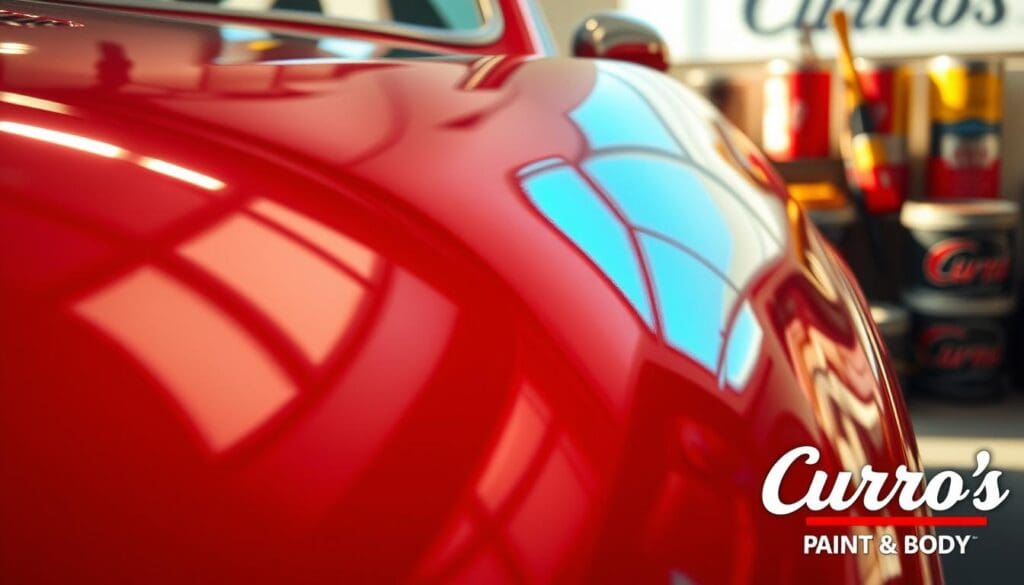
To keep your car shiny, pick the right cleaning tools. Use soft cloths and mild soap. Avoid harsh stuff and don’t press too hard. This way, your car stays shiny and looks new.
Best Practices for Maintaining a Glossy Finish
- Use high-quality paint and apply it in thin, even coats
- Ensure that the surface is properly prepared before painting
- Use soft microfiber cloths and mild detergent for cleaning
- Avoid harsh chemicals, abrasive materials, and excessive force
Follow these tips to keep your car shiny for years. Remember, keeping your car shiny is a job that needs regular care and cleaning.
Delamination and Prevention
Delamination makes a car’s paint job peel and lose its shine. Harsh weather can cause this problem. Cars from Honda (1996-2013) and GM (1980s-1990s) often have this issue.
To stop delamination, we must act early. Waxing or using polymer paint sealer twice a year helps. Paint protection film also shields the paint from damage. Stay away from automatic car washes to keep the paint intact.
Here are some ways to avoid delamination:
- Do tests before starting to make sure the paint sticks well
- Use the right amount of basecoat
- Wait long enough for the paint to dry
- Mix the clear coat correctly
By doing these things, we can keep the paint looking good for a long time.
Conclusion and Invitation to Hire Curro’s Paint and Body
We’ve looked into how to fix car paint problems. We talked about what causes these issues and how to fix them. This helps cars look new again.
Now, we invite you to choose Curro’s Paint and Body for your car’s repair. Our team is ready to help. We promise great service and results that will impress you.
Don’t let car damage stay. Call Curro’s Paint and Body today. We’ll help you drive safely again. Our team will guide you from start to finish. See how good professional repair can be.
FAQ
What types of paint imperfections can occur on a car?
Paint imperfections include scratches, dents, and orange peel. These happen from contamination, not enough paint, or too much paint.
How can I achieve a seamless finish when doing touch-ups or color correction?
For a seamless finish, match the paint color well. Use high-quality paint and apply it thinly and evenly.
What causes paint imperfections, and how can I avoid them?
Imperfections come from contamination, not enough paint, or too much paint. Avoid these by using the right materials and techniques.
How can I fix common paint imperfections?
To fix imperfections, sand them out and then paint again. Use the right methods and materials for a smooth finish.
How can I maintain a glossy finish on my car?
Keep a glossy finish by using the right materials and painting thinly. This stops problems like delamination and keeps the finish looking good.
What causes delamination, and how can I prevent it?
Delamination comes from bad surface prep or wrong materials. Prevent it by using the right techniques and materials for a strong bond.

