


When it comes to collision repair, one of the most critical decisions you’ll make is choosing between OEM (Original Equipment Manufacturer) parts and aftermarket parts. This debate has sparked considerable discussion among car owners, insurers, and repair shops. Understanding the differences between these options is essential to ensure your vehicle is restored to its original condition and performance.
OEM parts are manufactured by your vehicle’s original manufacturer, guaranteeing precise fitment and quality. Aftermarket parts, on the other hand, are produced by third-party manufacturers and offer a cost-effective alternative. While both options have their merits, the choice between them can significantly impact repair costs, warranty coverage, and long-term vehicle performance.
At Curro’s Paint and Body, we understand the importance of making an informed decision. Our team of experts is here to guide you through the process, ensuring your vehicle receives the care it deserves. In this article, we’ll explore the key differences in quality, reliability, and pricing between OEM and aftermarket parts, helping you make the best choice for your vehicle’s repair.
Key Takeaways
- OEM parts offer assured compatibility and warranty coverage but are typically more expensive.
- Aftermarket parts provide cost savings but vary in quality and may lack warranty support.
- The choice between OEM and aftermarket parts impacts repair costs, vehicle performance, and long-term reliability.
- Consulting with a trusted repair shop, like Curro’s Paint and Body, can help you make an informed decision.
- Both options have pros and cons, and the best choice depends on your specific needs and budget.
Understanding OEM and Aftermarket Parts
When considering collision repair, it’s essential to understand the differences between OEM and aftermarket parts. These terms refer to the origin and quality of the components used to restore your vehicle.
What Constitutes OEM Parts?
OEM parts are produced by your vehicle’s original manufacturer. These parts are designed to meet strict specifications, ensuring a perfect fit and reliable performance. For example, if you own a Toyota, OEM parts are made by Toyota to match your car’s exact needs. This ensures consistency and quality, which are crucial for maintaining your vehicle’s integrity. At Curro’s Paint and Body, we emphasize the importance of using genuine parts to uphold your car’s performance and safety.
Defining Aftermarket Parts
Aftermarket parts, on the other hand, are made by third-party manufacturers. These parts are often more affordable and can offer a cost-effective solution for repairs. However, their quality can vary, and they may not always match the original specifications. While some aftermarket parts are reliable, others might compromise on materials or design, potentially affecting your vehicle’s long-term performance.
Choosing between OEM and aftermarket parts depends on your priorities. If budget is a concern, aftermarket options might be appealing. However, if you value guaranteed quality and warranty coverage, OEM parts are the better choice. Our team at Curro’s Paint and Body is here to help you make an informed decision that balances cost, quality, and reliability.
Evaluating Quality, Cost, and Warranty
When selecting components for your vehicle’s repair, evaluating quality, cost, and warranty is crucial. These factors significantly influence both short-term savings and long-term reliability.
Quality and Reliability Considerations
Quality is a cornerstone of any repair decision. OEM parts are crafted by your vehicle’s manufacturer, adhering to precise specifications. This ensures a perfect fit and performance. For instance, Toyota manufactures its own OEM parts, guaranteeing consistency and durability. At Curro’s Paint and Body, we prioritize these parts to maintain your vehicle’s integrity and safety.
Aftermarket parts, while cost-effective, vary in quality. Some may meet OEM standards, but others might fall short. A study by the Certified Automotive Parts Association (CAPA) revealed only 25% of aftermarket parts meet OEM standards, which could affect long-term performance and safety.
Warranty Coverage and Cost Implications
OEM parts typically come with manufacturer-backed warranties, often lasting 1 to 3 years. This coverage provides peace of mind against defects. In contrast, aftermarket parts may offer limited warranties, sometimes as short as 30 to 90 days.
Cost differences are significant. OEM parts can be 20-50% more expensive, while aftermarket options offer savings. However, initial savings might lead to higher future costs due to shorter lifespans. For example, a 30% cheaper aftermarket part might need replacing more frequently.

Balancing initial savings with long-term durability is key. At Curro’s Paint and Body, we help you weigh these factors, ensuring your decision aligns with your budget and vehicle needs.
OEM vs aftermarket parts: A Side-by-Side Comparison
When evaluating components for your vehicle’s repair, understanding the differences between OEM and aftermarket parts is crucial. At Curro’s Paint and Body, we carefully assess each part for fit, performance, and long-term value to ensure your car is restored to its best condition.
Compatibility and Lifespan Analysis
OEM parts are designed specifically for your vehicle, guaranteeing a perfect fit and lasting durability. For example, a set of OEM wheels for a 991 GT3 can cost around $7,500, while aftermarket alternatives are priced under $5,000. However, high-quality aftermarket parts can sometimes match OEM performance, though they may require adjustments for proper fitment.
Price, Availability, and Options
Aftermarket parts often offer significant cost savings and greater availability. They can be sourced online and delivered quickly, unlike OEM parts which might require a dealership visit and longer wait times. While OEM parts come with manufacturer warranties, aftermarket options vary by brand, typically offering shorter coverage periods.
Your choice between OEM and aftermarket parts depends on your priorities. If budget is a concern, aftermarket parts might be the way to go. However, if you prioritize guaranteed quality and warranty coverage, OEM parts are the better option. Our team at Curro’s Paint and Body is here to help you make an informed decision that balances cost, quality, and reliability.
When to Choose OEM or Aftermarket for Your Collision Repair
Deciding between OEM parts and aftermarket parts for your collision repair involves careful consideration of several factors. At Curro’s Paint and Body, we recommend evaluating your vehicle’s warranty, budget, and long-term performance needs to make an informed decision.
Impact on Vehicle Warranty and Long-Term Performance
If your vehicle is still under warranty, choosing OEM parts is often the best option. These parts are designed to meet manufacturer specifications, ensuring your warranty remains intact. For example, using OEM parts can prevent voiding your warranty and maintain your vehicle’s safety and performance standards. On the other hand, aftermarket parts may void your warranty and could lead to compatibility issues with your vehicle’s systems.
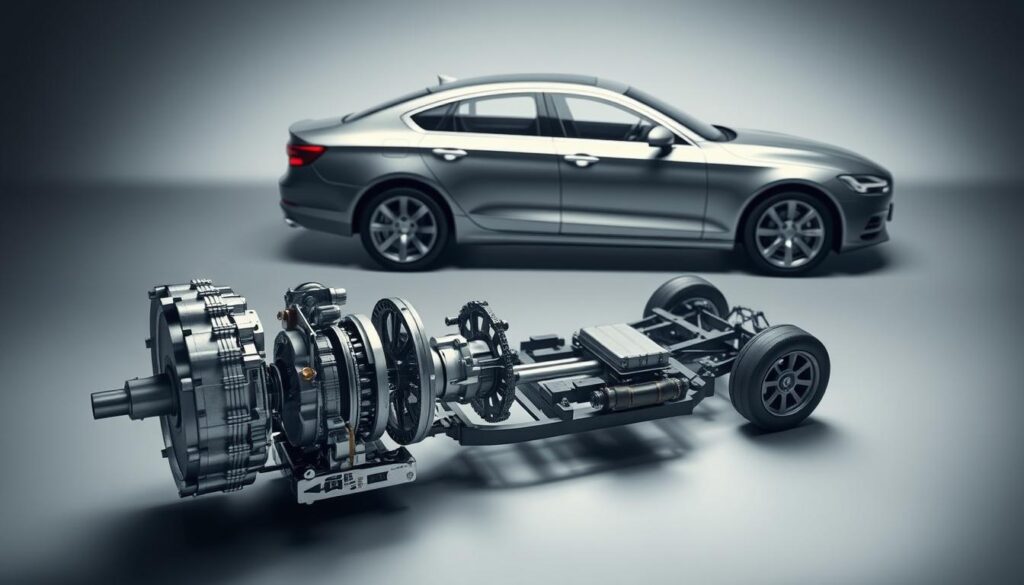
Long-term performance is another critical factor. OEM parts are crash-tested and designed to provide consistent performance, while some aftermarket parts may not meet the same standards. However, high-quality aftermarket parts can sometimes match OEM performance at a lower cost.
Budget Constraints Versus Longevity Needs
Budget constraints often influence the decision between OEM and aftermarket parts. If cost is a primary concern, aftermarket parts can offer significant savings. However, it’s essential to weigh these savings against the potential risks of shorter lifespans and possible compatibility issues.
- OEM parts are typically more expensive but come with manufacturer-backed warranties and guaranteed quality.
- Aftermarket parts are generally cheaper but vary in quality and may lack warranty support.
At Curro’s Paint and Body, our team helps you balance budget constraints with longevity needs, ensuring your repair decision aligns with your priorities. Whether you prioritize cost savings or long-term reliability, we provide transparent guidance to help you make the best choice for your vehicle.
Sourcing Parts: Dealerships Versus Independent Shops
Sourcing the right parts for your vehicle’s collision repair can be a daunting task, but understanding where to find them is crucial. Dealerships and independent shops each have their own advantages and challenges when it comes to providing the components you need.
Availability at Dealerships
Dealerships typically have direct access to OEM parts, ensuring authenticity and quality. These parts come with manufacturer warranties, offering peace of mind. However, this convenience often comes at a higher cost and may involve longer wait times due to potential supply chain delays.
Independent Shops and Specialty Repair Centers
Independent shops usually offer a mix of OEM and aftermarket parts, providing flexibility and cost savings. They can sometimes source parts faster, especially for common repairs. While aftermarket parts might not have the same warranties, many are high-quality alternatives that meet OEM standards, making them a viable option for budget-conscious vehicle owners.
At Curro’s Paint and Body, we work with both dealerships and independent suppliers to ensure you receive the best components for your repair. Whether you prioritize cost, quality, or convenience, our experts guide you in making an informed decision tailored to your needs. Let us help you navigate the process with confidence and ensure your vehicle is restored to its optimal condition.
Conclusion
In conclusion, choosing the right components for your vehicle’s collision repair is a decision that balances cost, quality, and reliability. Genuine manufacturer parts offer superior fitment and come with warranties, ensuring your car performs as intended. On the other hand, third-party alternatives can be more budget-friendly but may vary in quality and coverage.
Consider your vehicle’s warranty status and long-term performance needs. If your car is under warranty, sticking with original manufacturer components is often the safest choice. However, if budget constraints are a priority, third-party options might be a viable alternative, though they may require more careful consideration.
At Curro’s Paint and Body, our experts are here to guide you through this decision. We ensure your repair is done with the highest standards, whether you choose original manufacturer parts or third-party alternatives. Let us help you restore your vehicle to its best condition—contact us today for expert collision repair services.
FAQ
What is the difference between OEM and aftermarket parts?
OEM parts are made by your vehicle’s manufacturer, ensuring exact fit and quality. Aftermarket parts are produced by third-party companies and can offer cost savings or enhanced performance.
How do I know which parts are right for my car?
Always check your vehicle’s specifications or consult with a dealership or certified mechanic to ensure compatibility and quality.
Are aftermarket parts as reliable as OEM?
Aftermarket parts can be reliable, especially if certified, but may vary in quality. OEM parts are consistent but often more expensive.
Can I save money with aftermarket parts without compromising quality?
Yes, many aftermarket options offer good quality at lower prices. Research brands with positive reviews to ensure reliability.
Will using aftermarket parts void my vehicle’s warranty?
Generally, no. The Magnuson Moss Warranty Act protects consumers, but exceptions may apply for performance or non-essential modifications.
How do I choose between OEM and aftermarket for collision repair?
Consider your budget and needs. OEM is best for exact fit, while aftermarket may offer cost savings. Check manufacturer recommendations.
Where can I buy high-quality aftermarket parts?
Reputable online retailers, specialty shops, and certified sellers are good sources. Look for brands known for quality and durability.
Do OEM parts always come with a warranty?
Most OEM parts come with a manufacturer’s warranty, typically covering defects for a set period or mileage.
Can aftermarket parts improve my car’s performance?
Yes, some aftermarket parts are designed to enhance performance, such as high-performance engines or suspension systems.
How do I verify the quality of an aftermarket part?
Check for certifications, read customer reviews, and research the brand’s reputation to ensure you’re purchasing a reliable product.

