

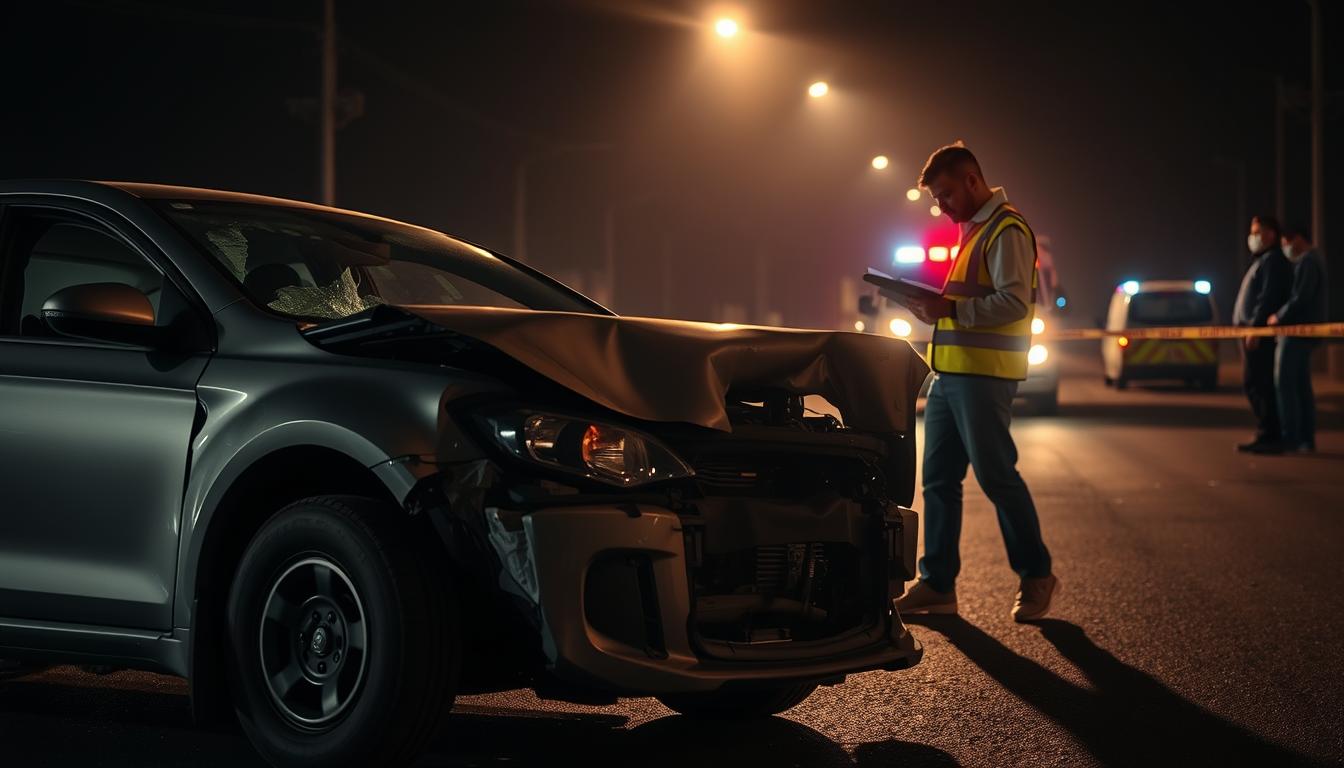
After a car accident, determining whether your car is safe to drive is crucial. Even if the damage appears minor, hidden issues could pose serious risks. Understanding the proper procedures immediately after a collision is essential for ensuring everyone’s well-being and complying with legal requirements.
Assessing your car’s condition is the first step. This includes checking for deployed airbags, structural damage, and fluid leaks. Many drivers overlook critical details, which can lead to further safety hazards. Proper documentation and communication with your insurance company are also vital for a smooth recovery process.
At Curro’s Paint and Body, we specialize in collision repair and understand the importance of thorough inspections. Every detail matters, from driver safety to accurate information collection at the scene. Our expertise ensures that your car is not only repaired but also safe to drive.
Key Takeaways
- Always assess your car’s condition after an accident, including hidden damage.
- Proper documentation and communication with your insurance company are critical.
- Deployed airbags and structural damage can affect your car’s safety.
- Consult a trusted repair specialist to ensure your car is roadworthy.
- Every detail, from safety checks to insurance claims, matters for a successful recovery.
Immediate Steps at the Scene
When you find yourself involved in a car accident, staying calm and taking the right actions is essential. The steps you take immediately after can significantly impact safety, legal obligations, and insurance claims.
Ensure Safety and Check for Injuries
The first priority is always safety. Check yourself and all passengers for injuries. If anyone is hurt, call 911 immediately. Even if injuries seem minor, it’s crucial to have a medical professional assess them. Remember, some injuries may not show symptoms right away.
Secure the Scene and Collect Key Information
Move your car to a safe location, like a side road, to avoid blocking traffic. Turn on hazard lights to alert other drivers. Exchange information with the other parties involved, including names, insurance details, and contact information. Take clear pictures of the accident from multiple angles to document the damage and scene.
Contact the police to file an official report, which is necessary for insurance claims. Provide accurate details and obtain the officer’s badge number for your records. Avoid admitting fault, as this can complicate the claims process.
Remember, every step at the scene should be handled with care to prevent further complications and ensure everything is properly documented.
Vehicle safety after an accident
Ensuring your car is safe to drive after a collision is a top priority. Even minor damage can hide serious issues that may lead to further risks on the road. It’s crucial to conduct a thorough inspection to guarantee both your safety and the safety of others.
Inspect Critical Safety Features
Airbags, seatbelts, and lights are essential components to check. Deployed airbags must be replaced before driving, as they won’t function in another crash. Seatbelts should be inspected for any signs of damage, and all lights, including headlights, tail lights, and turn signals, must be functioning properly. These checks are vital to prevent future accidents and ensure compliance with traffic laws.
Evaluate Structural Integrity and Exterior Damage
Examine the car’s frame and body for any structural damage. Look for signs of bent rims, tire damage, or misaligned fenders, as these can affect handling and safety. The engine and its components should also be checked for any leaks or damage. Even minor dents or scratches can hide deeper issues that could lead to more severe problems down the road.

Professional evaluation is highly recommended to identify any hidden damage that might not be visible during a DIY inspection. Experts can assess the car’s condition thoroughly, ensuring all safety features are functional and the structure is sound. Remember, driving a damaged car without proper inspection can pose significant risks to you and others on the road.
Preparing for Recovery and Insurance Claims
Preparing for recovery and handling insurance claims after a car accident requires careful planning and attention to detail. This process ensures that your rights are protected and that you receive the necessary support for repairs and medical care.
Document Damage with Photos and Detailed Notes
Thorough documentation is crucial for a successful insurance claim. Take high-quality pictures of all damage from multiple angles and write detailed notes about what happened. This includes capturing minor scratches and any visible structural issues. According to trusted sources, having clear photos can increase your chances of a successful claim by up to 50%.
Communicate with Insurance and File Your Claim
Notify your insurance company promptly and provide all necessary information, such as accident reports and photos. Be clear and detailed in your communication to avoid delays. Remember, insurance companies deny about 30% of claims due to lack of proper documentation.
Decide Between Towing and Driving Based on Damage
If your car shows significant damage or you’re unsure about its safety, it’s best to tow it to a professional repair shop. Driving a damaged car can lead to further issues. Always seek professional advice before deciding to drive your car after an accident.

By following these steps, you can ensure a smoother recovery process and protect your rights after a car accident.
Conclusion
In the aftermath of a car accident, ensuring your car is roadworthy is essential for everyone’s safety on the road. The process involves more than just a quick inspection; it requires a thorough evaluation of damage, proper documentation, and clear communication with your insurance company. Remember, even minor damage can hide serious issues that could lead to further complications.
A professional inspection is a good idea to identify any hidden damage and ensure your car is safe to drive. At Curro’s Paint and Body, our experts specialize in collision repair, ensuring your car is restored to optimal condition. We understand the importance of attention to detail, from structural integrity to functional safety features.
Don’t risk your safety or the reliability of your car. Contact Curro’s Paint and Body today to schedule a professional evaluation and repair. Our team is here to help you get back on the road safely and confidently. Let us handle the recovery process so you can focus on what matters most.
FAQ
What should I do immediately after a minor car accident?
Ensure everyone is safe and move to a safe location. Check for injuries and call for medical help if needed. Turn on hazard lights and exchange information with the other driver, including names, insurance details, and license plate numbers.
How do I file an insurance claim after a car accident?
Contact your insurance company promptly. Provide details about the incident, including photos, a police report (if filed), and any witness statements. Your insurance company will guide you through the claims process and assess the damage.
How do I know if my car is safe to drive after an accident?
Inspect your car for any visible damage, especially to tires, brakes, and lights. If unsure, have it towed to a repair shop for a professional evaluation. Driving a damaged car can pose risks and worsen the condition.
Should I contact the police after a minor car accident?
Yes, even in minor accidents, it’s a good idea to file a police report. This document can be crucial for insurance claims and provides an official record of the incident. Call the local police or highway patrol to report the crash.
Can I choose my own repair shop for car damage?
Most insurance companies allow you to choose a repair shop. However, they may recommend preferred providers. Always check reviews and ensure the shop is licensed and experienced in handling car repairs.
How do I document damage for my insurance claim?
Take clear photos of all damage from multiple angles. Note any dents, scratches, or broken parts. Include details like make and model of the car, and any witness contact information. This helps your insurance company assess the claim accurately.
Should I tow my car or drive it after an accident?
If your car shows signs of significant damage, such as a broken tire or engine issues, it’s best to tow it. Driving a damaged car can cause further harm. If it’s safe to drive, proceed cautiously to a repair shop.
How can I prevent future car accidents?
Always follow traffic rules, stay alert, and maintain a safe distance from other cars. Regular vehicle maintenance, such as checking brakes and tire condition, can also reduce the risk of accidents. Stay informed about road conditions and weather.

