


Being without a vehicle, even for a short time, can disrupt your daily life. Whether it’s due to an accident or unexpected collision damage, having a reliable way to get around is crucial. This is where rental reimbursement coverage comes into play, helping you cover the costs of a rental car while your vehicle is being repaired.
Rental reimbursement coverage is an optional add-on to your auto insurance policy. It provides a daily limit (typically $30 to $50) for rental car expenses, lasting up to 30 to 45 days, depending on your policy. This coverage kicks in if your car is in the shop due to a covered loss, such as an accident or comprehensive collision damage.
At Curro’s Paint and Body, we understand the inconvenience of being without your vehicle. Our expert collision repair services are designed to get you back on the road as quickly as possible. While we work on your car, having the right insurance coverage can help alleviate the stress of additional expenses.
Throughout this guide, we’ll explore how to file a claim, understand your policy’s limits, and discover alternative transportation options. Let us help you navigate the process with confidence.
Key Takeaways
- Rental reimbursement coverage provides daily limits for rental car expenses after a covered loss.
- It is an optional add-on to your auto insurance policy, typically costing less than one day of out-of-pocket rental expenses.
- Coverage usually lasts 30 to 45 days, depending on your insurance policy.
- Curro’s Paint and Body offers expert collision repair services to get you back on the road quickly.
- Understanding your policy’s terms and limits is crucial for maximizing your rental reimbursement benefits.
Understanding Rental Car Coverage and Reimbursement
Losing access to your vehicle, even temporarily, can significantly disrupt your routine. Rental reimbursement coverage is designed to help manage these situations by covering the costs of alternative transportation. This coverage is an optional add-on to your auto insurance policy, providing a daily allowance for rental car expenses while your vehicle is being repaired after a covered loss.
What is Rental Reimbursement Coverage?
Rental reimbursement coverage is an insurance feature that helps pay for a rental car or other transportation expenses if your vehicle is in the shop due to an accident or other covered damage. It typically offers a daily limit, often between $30 to $50, and may cover costs for up to 30 to 45 days, depending on your policy.
This coverage is especially useful if you rely heavily on your vehicle for daily commutes or essential tasks. It ensures you maintain mobility while your car is undergoing repairs.
When and How It Applies
Rental reimbursement coverage kicks in when your vehicle is unavailable due to a covered loss, such as a collision or comprehensive damage. It covers the cost of a rental car or, in some cases, public transportation like buses or rideshares. However, it’s important to review your policy to understand the specific limits and conditions.
- Covers rental car expenses up to a daily limit
- Applies after a covered loss that leaves your vehicle unusable
- May include public transportation costs
- Subject to policy-specific time and expense limits
At Curro’s Paint and Body, we understand the inconvenience of being without your vehicle. Our expert collision repair services aim to get you back on the road quickly. While we work on your car, having the right insurance coverage can help alleviate the stress of additional expenses.
Insurance Policies and Rental Car Options
Understanding your insurance policy is essential when dealing with rental car options after an accident or collision. Knowing the differences between comprehensive and liability-only policies can help you make informed decisions about your coverage needs.
Differences Between Comprehensive and Liability Policies
A comprehensive collision policy typically includes rental car benefits, covering expenses while your vehicle is being repaired. In contrast, liability-only policies usually do not offer such coverage, leaving you to rely on the at-fault driver’s insurance or pay out-of-pocket.
- Comprehensive policies often include rental car coverage as part of the agreement.
- Liability-only policies focus on covering damages to others, not your own vehicle or rental needs.
Optional Add-Ons and Endorsements
Optional add-ons like rental reimbursement coverage can enhance your policy, providing a daily allowance for rental expenses. These endorsements are cost-effective and can be tailored to your needs.
- Add-ons may include higher daily limits or extended coverage periods.
- These endorsements are relatively inexpensive compared to out-of-pocket rental costs.

At Curro’s Paint and Body, we recommend reviewing your policy and considering these add-ons to ensure you’re fully protected. Understanding your coverage options can save you time and money when dealing with unexpected repairs.
Rental car during repairs: Coverage Details and Benefits
When your vehicle is in the shop after an accident, understanding your rental reimbursement coverage is key to avoiding unexpected costs. This coverage provides a daily allowance for rental expenses, ensuring you stay mobile while your car is being repaired.
How Coverage Limits Work
Most policies offer a daily limit of $20 to $50 and cover rentals for up to 30 days, with total caps around $900. These limits vary by insurer and policy, so reviewing your insurance details is crucial to understand what’s covered.
Calculating Daily Allowances and Expense Caps
Your policy determines the rental reimbursement coverage limits. Daily allowances are typically between $20 and $50, while total caps range from $600 to $1,500. Knowing these limits helps you budget and avoid surprises.
At Curro’s Paint and Body, we handle collision repairs efficiently, getting you back on the road quickly. Understanding your coverage details ensures a smoother process during unexpected repairs.
- Daily limits: $20-$50
- Total caps: $600-$1,500
- Coverage duration: Up to 30 days
Our guide helps you navigate these details, ensuring you’re prepared and informed when filing a claim after an accident.
Steps to Filing a Rental Reimbursement Claim
Filing a rental reimbursement claim can seem daunting, but with the right approach, it can be a straightforward process. Understanding the steps involved and gathering the necessary information beforehand can help ensure a smooth experience.
Initiating the Claim Process
The first step is to contact your insurance provider. Most insurers allow you to initiate the claim process online, via phone, or through their mobile app. Provide details about the accident, including the date, location, and a brief description of what happened. This information helps your insurer assess the situation and determine the next steps.
Working with Preferred Rental Agencies
Many insurance companies partner with specific rental agencies, such as Enterprise Rent-A-Car, to streamline the process. These partnerships often allow for direct billing, meaning the rental costs are billed directly to your insurer, eliminating the need for out-of-pocket payments. If you choose a different rental provider, you may need to pay upfront and submit receipts for reimbursement, subject to your policy’s limits.
Keep all receipts and documentation related to your rental expenses. Most policies require you to submit these documents to be reimbursed. Understanding your coverage details beforehand, such as daily limits and total caps, can help you avoid unexpected costs.
If you encounter any issues or delays, don’t hesitate to reach out to your insurer or a trusted collision repair shop like Curro’s Paint and Body for assistance. We are committed to providing clear, trustworthy information to make your claim process as smooth as possible. Let us help you get back on the road quickly and confidently.
Additional Considerations for Collision Repair and Rental Costs
Understanding how collision repair quality and the scope of an accident impact insurance payouts is crucial for managing both repair and rental costs effectively. The severity of the collision, the extent of damage, and even the repair shop’s expertise can significantly influence the final payout from your insurance company.
Factors Influencing Insurance Payouts
The insurance payout for collision repairs and rental costs is not always straightforward. Several factors come into play, and being aware of them can help you navigate the process more smoothly.
- The severity of the collision: More extensive damage often leads to higher repair costs and longer rental periods.
- Policy specifics: Coverage limits, deductibles, and rental reimbursement allowances vary by policy and can significantly affect your out-of-pocket expenses.
- Repair quality: High-quality repairs may cost more initially but can prevent future issues and ensure your vehicle’s value is maintained.
At Curro’s Paint and Body, our expert collision repair services are designed to restore your vehicle to its pre-accident condition. We work closely with insurance companies to ensure repairs are done efficiently and effectively, minimizing delays and additional costs.
Delays in repairs, often due to parts shortages or complex labor requirements, can extend the time you need a rental car. This is where understanding your policy’s rental reimbursement coverage becomes essential. Additionally, regional differences in rental costs can affect how much your insurance will reimburse, making it important to review your policy’s coverage limits.
Your insurance company may also assign an adjuster to evaluate the damage and determine the appropriate payout. The adjuster’s assessment can influence both the repair estimate and the duration of rental coverage. It’s crucial to carefully review your policy to understand potential out-of-pocket costs and ensure you’re taking full advantage of your coverage.
Professional collision repair experts like those at Curro’s Paint and Body can guide you through these complexities, ensuring your vehicle is repaired to the highest standards while helping you manage the insurance process. By understanding these factors and working with experienced professionals, you can minimize stress and get back on the road confidently.
Exploring Alternative Transportation Options
Alternative transportation methods offer viable solutions when rental reimbursement isn’t the best choice. Whether it’s public transit, ridesharing, or biking, these options can keep you moving while your vehicle is being repaired.
When to Consider Public Transit or Rideshares
Using public transit or rideshares can be more cost-effective than renting a car, especially for short distances. Many insurance policies cover these expenses, offering reimbursement for bus fares or rideshare costs.
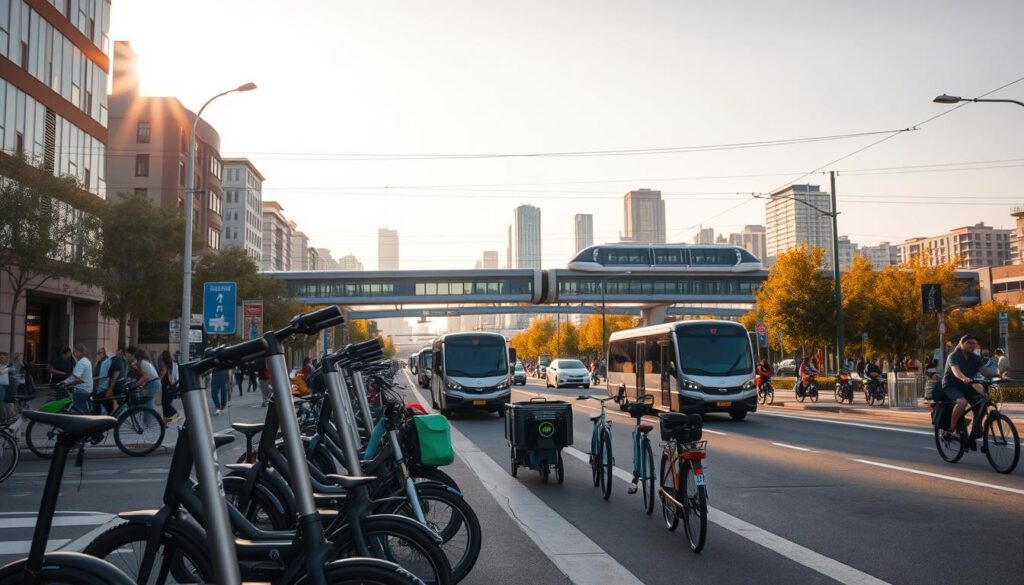
Ridesharing services like Uber or Lyft provide flexibility and convenience, while public transit offers an economical solution for daily commutes. However, renting a car might be better for longer trips or when you need a vehicle readily available.
- Public transit is budget-friendly and widely available in urban areas.
- Rideshares offer convenience but can add up for frequent use.
- Plan ahead by checking if your insurance covers these alternatives.
At Curro’s Paint and Body, we focus on efficient repairs to get you back on the road quickly. While we handle your vehicle, exploring these transportation options can help maintain your routine without the need for a rental car.
Conclusion
Navigating the complexities of vehicle repairs and insurance coverage can be challenging, but being informed is the key to a smooth experience. Rental reimbursement coverage plays a crucial role in keeping you mobile while your vehicle is being fixed, offering daily allowances to cover transportation costs. Understanding your insurance policy’s specifics, such as coverage limits and claim processes, is essential to avoid unexpected expenses.
At Curro’s Paint and Body, we specialize in expert collision repair services, ensuring your vehicle is restored to its pre-accident condition efficiently. Our team works closely with insurance companies to streamline the process, minimizing delays and additional costs. By understanding your policy and leveraging professional assistance, you can reduce out-of-pocket expenses and enjoy a hassle-free experience.
For personalized guidance and top-tier collision repair, contact Curro’s Paint and Body today. Let us help you get back on the road with confidence and peace of mind.
FAQ
What is rental reimbursement coverage?
Rental reimbursement coverage is an add-on to your auto insurance policy that helps cover the cost of a rental vehicle while your car is being repaired after an accident or other covered loss.
How does rental reimbursement coverage apply?
This coverage typically applies when your vehicle is undrivable due to a covered incident, such as a collision or comprehensive claim. It reimburses you for the cost of a rental car up to your policy’s specified limit.
What is the difference between comprehensive and collision coverage in relation to rental reimbursement?
Comprehensive coverage handles non-collision incidents like theft or vandalism, while collision coverage deals with accidents. Both may include rental reimbursement, but it depends on your policy details.
How are coverage limits determined for rental reimbursement?
Limits are set by your insurance provider and can vary. They often include a daily allowance and a maximum total payment per claim, ensuring you’re covered for a rental vehicle’s essential expenses.
How do I calculate the daily allowance for rental reimbursement?
The daily allowance is typically a fixed amount specified in your policy. For example, if your limit is per day and your car is in the shop for 10 days, you’d be reimbursed up to 0.
How do I initiate a rental reimbursement claim?
Contact your insurance company promptly after the incident. Provide necessary documents, such as a repair estimate and rental agreement, to start the reimbursement process.
Can I choose any rental company, or are there preferred agencies?
While you can typically choose any rental company, using a preferred agency may streamline the process and ensure direct billing with your insurer.
What factors influence how much the insurance company will pay for rental costs?
Factors include the type of vehicle rented, your policy’s coverage limits, and the duration of the rental period. Always review your policy to understand what’s covered.
Are there scenarios where rental reimbursement might not apply?
Yes, if your vehicle is not in the shop for repairs related to a covered claim, or if you’ve exceeded your policy’s coverage limits, reimbursement may not be available.
Should I consider public transit or rideshares instead of a rental car?
If your rental reimbursement coverage is limited or you prefer not to rent a car, public transit or rideshares can be cost-effective alternatives to get around while your vehicle is being repaired.

