


Staying safe on the road is a top priority for every driver, passenger, and pedestrian. Distracted driving, speeding, and poor vehicle maintenance are leading causes of collisions. According to the National Highway Traffic Safety Administration (NHTSA), distracted driving accounts for approximately 9% of fatal crashes. By staying alert and following essential driving practices, you can significantly reduce the risk of accidents.
One of the most critical aspects of driving safety is avoiding distractions like mobile phones. Obeying traffic signals, monitoring road conditions, and maintaining proper vehicle care are fundamental practices that can save lives. For instance, proper tire pressure and regular brake inspections can prevent unexpected failures on the road.
At Curro’s Paint and Body, we understand the importance of road safety and vehicle maintenance. Our team specializes in collision repair, ensuring your car is safe and road-ready. Remember, regular service and timely repairs can prevent accidents and keep you and your loved ones safe.
Key Takeaways
- Stay alert and avoid distractions while driving.
- Regular vehicle maintenance is crucial for preventing collisions.
- Obey traffic signals and adjust your driving to road conditions.
- Proper tire pressure and brake function are essential for safety.
- Consider Curro’s Paint and Body for professional collision repair services.
Effective Road Safety Tips for Drivers
Driving safely requires a combination of focus, awareness, and adherence to traffic rules. Staying alert and avoiding distractions are crucial for preventing accidents and ensuring the well-being of all road users.
Staying Focused on the Road
One of the most effective ways to enhance driving safety is by minimizing distractions. Avoid using your phone while driving, as it significantly increases the risk of accidents. Maintaining a safe distance from the vehicle ahead is another critical practice. The 3-second rule is a good guideline—double it in poor weather conditions.
Defensive driving techniques, such as anticipating other drivers’ actions, can also reduce collision risks. According to the National Highway Traffic Safety Administration (NHTSA), distracted driving accounts for 9% of fatal crashes, making it a leading cause of accidents.
Observing Traffic Signals and Signs
Understanding and obeying traffic signals is essential for maintaining order on the roads. Running red lights or ignoring stop signs can lead to severe consequences. Speed limits are set for a reason—exceeding them can reduce your reaction time and increase accident severity.
Always adjust your speed according to road conditions. Inclement weather, heavy traffic, or poor visibility may require you to slow down. Proper vehicle maintenance, including tire pressure checks and regular inspections, ensures your car is road-ready and safe.
At Curro’s Paint and Body, we emphasize the importance of regular vehicle maintenance and safe driving practices. By following these tips and staying proactive, you can significantly reduce the risk of accidents and keep the roads safer for everyone.
Defensive Driving and Avoiding Distractions
Defensive driving is more than just following traffic rules—it’s about anticipating potential hazards and reacting calmly. Unlike aggressive driving, which can increase the risk of accidents, defensive driving focuses on maintaining control and awareness at all times.
Managing In-Car Distractions
Avoiding distractions inside your vehicle is crucial for staying safe on the road. This includes securing loose items, avoiding the temptation to retrieve dropped objects while driving, and minimizing conversations that might divert your attention. According to the National Highway Traffic Safety Administration (NHTSA), distracted driving was responsible for thousands of fatalities in 2022. Simple actions like using a phone’s “Do Not Disturb” feature or taking regular breaks on long trips can significantly reduce these risks.
Safe Lane Changing and Maintaining Buffer Zones
Safe lane changing involves checking your mirrors, using turn signals, and ensuring there’s enough space to move without cutting off other drivers. Maintaining a buffer zone of two to four seconds from the vehicle ahead is another key defensive driving technique. This distance allows ample time to react to sudden stops or unexpected hazards.
Preparing for Unexpected Road Hazards
Unexpected hazards, such as deer crossing the road or sudden stops by other drivers, require quick reflexes and a clear mind. Staying alert and keeping your eyes on the road ahead can help you anticipate these situations. Additionally, ensuring your vehicle is in good condition, with proper tire pressure and functioning brakes, can help you respond effectively to emergencies.
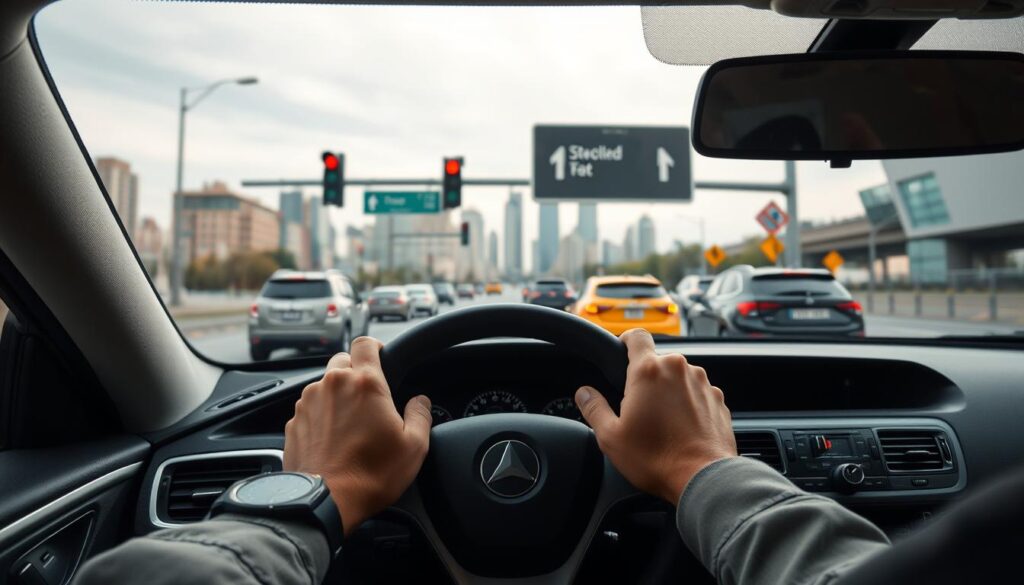
At Curro’s Paint and Body, we understand the importance of safe driving practices and proper vehicle maintenance. If you’ve been involved in a collision, our expert team is here to help restore your car to its original condition. Remember, defensive driving and regular vehicle care are essential for protecting yourself and others on the road.
Adjusting for Weather and Road Conditions
Weather and road conditions play a significant role in driving challenges. Adverse weather, such as heavy rain, fog, or snow, can drastically reduce visibility and make roads slippery, increasing the risk of accidents. Staying informed about weather forecasts and adjusting your driving techniques accordingly is crucial for safe travel.
Driving in Rain and Fog
When driving in rain or fog, it’s essential to slow down and increase your following distance. Use low beams or fog lights to improve visibility without blinding other drivers. Avoid sudden movements and keep your windshield wipers in good condition to maintain a clear view. Reducing your speed by at least 10 mph on wet roads can significantly lower accident risks.
Maintaining Tire Traction
Tires are your vehicle’s first line of defense against slippery surfaces. Ensure your tires have a tread depth of at least 2/32 of an inch for proper traction. Checking tire pressure monthly and before long trips is vital, as underinflated tires can lose grip on wet surfaces. Consider replacing tires every six years, regardless of mileage, to maintain optimal performance.
Emergency Preparedness
Always keep an emergency kit in your vehicle, especially during winter. This should include items like a flashlight, first aid kit, and non-perishable snacks. Keeping your gas tank at least half full prevents fuel shortages in case of delays. If you encounter severe weather, pull over to a safe location and wait for conditions to improve.
At Curro’s Paint and Body, we understand the impact of harsh weather on your vehicle. If you’ve been involved in a collision due to adverse conditions, our expert team is here to restore your car to its original state. Remember, preparation and cautious driving are key to navigating challenging weather and road conditions.
Seasonal Vehicle Maintenance and Safety Checks
Seasonal changes can significantly impact your vehicle’s performance and reliability. Regular maintenance tailored to the time of year ensures your car remains safe and efficient throughout the seasons.
Summer: A/C Performance, Tire Conditions, and Fluid Levels
During summer, check your air conditioning to ensure it’s cooling properly. Inspect tire tread depth—use the penny test to see if it’s at least 2/32 of an inch. Also, verify all fluid levels, including coolant, to prevent overheating. Proper tire pressure is crucial as heat can cause pressure to rise, affecting handling.
Winter: Emergency Kits, Brake Safety, and Windshield Care
Prepare for winter with an emergency kit containing a flashlight, first aid kit, and snacks. Inspect brakes for wear and ensure windshield wipers are in good condition. Check tire pressure monthly and consider winter tires for better traction on icy roads.
Regular Inspections and Addressing Warning Signs
Regular inspections can catch issues early, preventing costly repairs. Look for warning signs like unusual noises or dashboard lights. Addressing these promptly ensures your vehicle remains safe and reliable.

At Curro’s Paint and Body, we emphasize the importance of seasonal maintenance. Our expert team is ready to handle any collision repairs, ensuring your vehicle is restored to its original condition. Remember, regular maintenance not only prevents accidents but also reduces repair costs. Stay safe on the road with proactive care and trust us for all your repair needs.
Practical Road Safety Tips
Staying alert and adopting a defensive mindset are essential for safe driving. By following practical advice, drivers can significantly reduce the risk of accidents and enhance their overall safety on the road.
Keeping Attention on the Road at All Times
Distractions while driving can be deadly. Avoid using your phone, eating, or engaging in conversations that take your eyes off the road. These actions can increase your collision risk by four times. Keep your attention focused on the road ahead, and be mindful of your surroundings to anticipate potential hazards.
Regular vehicle maintenance is also crucial. Check your tire pressure monthly and ensure your brakes are functioning properly. Properly maintained vehicles handle better and reduce the risk of unexpected failures.
Implementing a Defensive Driving Mindset
A defensive driving mindset involves anticipating the actions of other drivers and being prepared to react. Maintain a safe distance from the vehicle ahead, using the three-second rule, and always use your turn signals to communicate your intentions clearly.
Be cautious of blind spots and always check them before changing lanes. If you notice another driver behaving aggressively, stay calm and avoid engaging. Your safety is more important than reacting to their behavior.
Here are some practical tips to enhance your driving safety:
- Always wear your seatbelt and ensure all passengers do the same.
- Keep an emergency kit in your vehicle, including items like a flashlight, first aid kit, and jumper cables.
- Plan your trip by checking the route, road conditions, and weather forecast beforehand.
- Address potential hazards proactively through regular maintenance and vigilance.
By following these tips, you not only protect your life but also contribute to a safer driving environment for everyone. Remember, safe driving is a shared responsibility that requires attention, preparation, and a commitment to defensive practices.
Conclusion
Integrating safe driving practices into your daily routine is essential for protecting yourself and others on the road. By combining defensive driving techniques with regular vehicle maintenance, you can significantly reduce the risk of collisions and ensure a safer journey for everyone.
Seasonal adjustments, such as preparing your car for winter or checking tire pressure in summer, play a crucial role in maintaining control and visibility. Stay proactive by planning your trips, checking weather forecasts, and ensuring your vehicle is in top condition. These habits, along with ongoing attention and preparedness, create a safer driving environment.
If you’ve been involved in a collision, trust Curro’s Paint and Body to restore your vehicle to its original state. Our expert team is committed to providing high-quality collision repair services, ensuring your car is safe and road-ready. Remember, safety on the road is a shared responsibility—one that we are dedicated to supporting through our services and expert advice.
FAQ
What are some essential car maintenance checks to ensure driving safety?
Regular maintenance is crucial for safety. Check your tire pressure, battery health, and brakes. Ensure all lights are functioning and fluids are at the correct levels. Address any warning signs promptly to avoid unexpected issues on the road.
How can I minimize distractions while driving?
To stay focused, avoid using your phone, adjust controls before driving, and keep conversations with passengers calm. Secure loose items and teach children to stay quiet, especially in heavy traffic.
What should I do in case of a car emergency?
Stay calm, move to a safe location, and turn on hazard lights. Use an emergency kit if needed and call for professional help. Your safety is the priority, so remain visible and patient until assistance arrives.
How can I adjust my driving for different weather conditions?
Slow down in poor weather, increase following distance, and use low beams in fog. Avoid sudden moves and use tires suitable for the season. Stay informed about weather forecasts before your trip.
Why is it important to maintain proper tire pressure?
Proper tire pressure improves fuel efficiency, handling, and safety. Check pressure monthly and before long trips, using the vehicle manufacturer’s guidelines for accurate levels.
How can I stay alert on long drives?
Take breaks every hour, stay hydrated, and avoid heavy meals. Keep the cabin cool and get fresh air. If fatigued, let another driver take over or stop to rest.
What should I include in a winter emergency kit?
Include a blanket, flashlight, first aid kit, ice scraper, snacks, and a portable charger. Ensure your phone is fully charged and consider a portable power source for emergencies.
Can I service my car at home, or should I go to a repair shop?
Simple checks like oil changes can be done at home, but complex repairs need professionals. Use genuine parts and follow your manual for any DIY tasks to maintain your car’s condition.
How often should I check my brake system?
Inspect brakes every 6 months or 5,000 miles. Look for worn pads, fluid leaks, or unusual noises. A well-maintained brake system is vital for safe driving and emergency stops.

